How to Stay Active When Its Chilly: November Fitness Strategies for Men

November often ushers in cooler days, shorter daylight hours, and the temptation to trade workouts for the warmth of the couch. But cold weather does not have to derail your fitness goals. In fact, staying active throughout the chillier months can support your mental focus, metabolic health, and overall resilience. Below are smart, safe, and sustainable strategies for men to maintain momentum from fall into winter.
Why Staying Active in Cold Weather Matters
Before diving into tactics, here is why it is worth pushing through the cold:
- Metabolic boost: Your body works harder to maintain temperature, which can increase calorie burn.
- Mood support: Outdoor activity exposes you to natural light and releases endorphins, helping stave off seasonal blues.
- Consistency wins: Maintaining a regular habit through colder months prevents the fitness reset many experience come spring.
- Immune benefits: Regular moderate exercise supports immune function during cold and flu season.
1. Dress Smart: The Layering Principle
Proper attire is your first defense against cold weather. The key is to dress in layers, and avoid fabrics that retain sweat like cotton.
- Base layer: A moisture-wicking fabric like polyester or a merino wool blend to pull sweat away from your skin.
- Insulating layer: Fleece, light wool, or synthetic jackets that trap warm air.
- Outer shell: Windproof and water-resistant or waterproof to block wind chill and precipitation.
- Accessories:
- Hat or skullcap covering your ears
- Gloves or insulated mittens
- Thermal socks, possibly layered
- Neck gaiter, scarf, or face mask
- Good footwear with traction to reduce slips and falls
A helpful tip: dress for about 10 degrees Fahrenheit warmer than the actual temperature because once you start moving, your body will generate heat.
2. Warm Up and Cool Down
Cold muscles and joints are more prone to injury. Before heading out or kicking into high intensity, your warm-up should be intentional.
- Warm up indoors first: Light cardio like jumping jacks, bodyweight squats, and arm swings for 5 to 10 minutes to raise your core temperature.
- Use dynamic movements: Leg swings, walking lunges, and torso rotations to activate your muscles.
- After your workout, cool down thoroughly: Gentle stretching or mobility work to help with stiffness and recovery.
3. Adapt Your Activity Types
When it is cold out, not all workouts are ideal. Here are adjustments and alternatives to keep things effective and enjoyable:
Go Outdoors When You Can
- Brisk walking or hiking on safe paths
- Jogging or trail runs with caution on icy surfaces
- Winter sports like cross-country skiing or snowshoeing if available
- Yard work like raking leaves or shoveling snow as functional fitness
Indoor and Hybrid Workouts
On days when outdoor activity is not practical, there are plenty of indoor options:
- Bodyweight circuits such as pushups, squats, planks, and lunges
- Resistance band or dumbbell training
- HIIT routines with short bursts of intense effort
- Yoga, Pilates, or mobility flows
- Stationary bike, treadmill, or rowing machine
- Group fitness classes in person or virtual
4. Time Your Workouts Strategically
With limited daylight, timing becomes more important:
- Schedule workouts when the sun is out for light exposure
- Avoid early mornings or late evenings due to colder and darker conditions
- On harsh days, opt for indoor sessions instead of skipping altogether
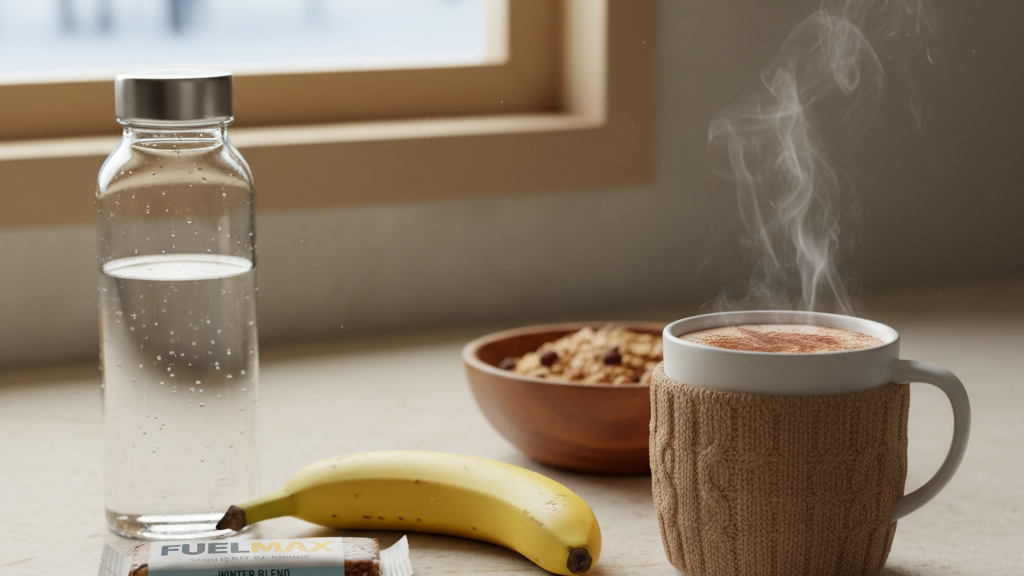
5. Stay Hydrated and Fuel Wisely
Hydration and nutrition are still important in colder months even if you feel less thirsty.
- Set reminders to sip water regularly
- Warm drinks can help comfort you but do not replace water completely
- Eat complex carbs and lean proteins to fuel workouts and recovery
- Consider light pre-workout snacks like a banana or nut butter
6. Motivate Yourself and Build Accountability
Cold weather can affect motivation. Use these strategies to stay committed:
- Set realistic, measurable goals like three workouts per week
- Track your progress in a journal or fitness app
- Work out with a friend or join group sessions for accountability
- Change up your routine to keep it fresh
- Reward yourself with non-food incentives when you hit goals
7. Know Safety Boundaries and Listen to Your Body
It is important to recognize when conditions are not safe for outdoor exercise:
- Check the weather and avoid extreme cold or wind chill
- Stay off icy or slippery surfaces
- Watch for signs of frostbite or hypothermia like numbness or confusion
- If you have heart or respiratory conditions, talk to your doctor before exercising in cold weather
- Adjust workout intensity if you feel tired or under the weather
Sample Weekly Plan
Here is a sample week of cold-weather fitness blending indoor and outdoor options:
| Day | Workout Focus |
|---|---|
| Monday | Indoor strength and mobility |
| Tuesday | Brisk outdoor walk or jog |
| Wednesday | Indoor circuit or HIIT session |
| Thursday | Yoga or stretching and recovery |
| Friday | Strength training with dumbbells or bands |
| Saturday | Outdoor hike or winter sport |
| Sunday | Rest or light movement |
Embrace the Chill Without Freezing Your Progress
November does not have to be a pause in your fitness journey. With the right gear, planning, and motivation, you can stay active and on track. The habits you build now will set you up for long-term health and success.
If you need personalized support or guidance for your cold-weather fitness routine, contact us at Mens Health Solutions. We are here to help you stay strong and focused all season long.