Preparing for Holiday Stress: Men’s Mental Health & Self‑Care Tips

The holidays are supposed to be a time of joy and connection. But for many men, they bring added pressure: from family dynamics, financial expectations, busy schedules, and social obligations. Over time, holiday stress can negatively impact mental health, sleep, and even physical wellness. If you’re looking to stay resilient over the season, here’s a focused, actionable guide to support your mind and body.
Why Holiday Stress Matters for Men’s Mental Health
Research shows that men often underreport emotional distress and may delay seeking help — especially during times when they feel they “should” be okay. The holiday season can amplify internal pressures: to “perform,” to be present, to lead, to not show weakness. These added burdens can exacerbate anxiety, irritability, insomnia, and mood shifts.
At Men’s Health Solutions, we take a holistic approach: men’s wellness is not just about hormones, sexual health, or physical performance — mental health is central. When stress is unmanaged, it can interfere with sleep, energy levels, concentration, and even hormonal balance.
Strategies for Supporting Mental Wellness Over the Holidays
- Plan realistic expectations. A lot goes wrong when expectations are set too high. Set boundaries and accept that things won’t be perfect. Decide ahead of time how many events or obligations you’ll commit to and say no proactively.
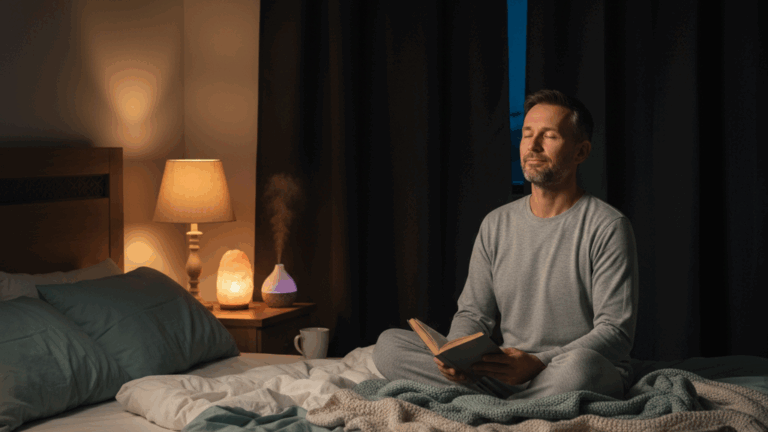
- Schedule downtime. Just as you’d schedule a meeting or appointment, reserve “off time” for rest, reflection, or low-pressure activities (walks, reading, meditation).
- Prioritize sleep. It’s tempting to burn the candle at both ends. But adequate sleep is a foundation for mood regulation and stress resilience. Aim for consistent bed and wake times, even during holidays.
- Stay active. Moving your body helps clear your mind. Whether it’s a morning gym session, walk after dinner, or even brief bodyweight exercises, physical activity is a proven stress buffer.
- Watch your nutrition and alcohol use. Heavy meals, sugar, and alcohol spikes can worsen mood swings, fatigue, and anxiety. Strive for balance — lighter protein, vegetables, hydration — and moderate indulgences.
- Practice breathing or mindfulness techniques. Even just 5 minutes of deep breathing, progressive muscle relaxation, or guided meditation can calm your nervous system and reset stress.
- Stay connected — but choose wisely. Social support helps, but not all interactions are energizing. Focus on conversations or gatherings that feel supportive rather than draining. If some dynamics are tense, limit exposure and seek allies.
- Set digital boundaries. The holiday season often includes swells in messages, texts, social media. Consider designated “offline” windows or turning off notifications during personal time.
- Write it down. Journaling, even briefly, can help you process emotions and reorganize racing thoughts. Track what’s working, what’s stressful, and what small adjustments you’ll make.

Special Considerations for Men
Here are a few tips grounded in how men often experience stress differently:
- Channel energy into projects. Many men feel better when they have purpose or direction. Use holiday downtime to start or advance a personal project — whether it’s planning your goals for the new year, a hobby, or a small home improvement task.
- Use movement as emotional release. Sometimes words don’t help. Go for a run, hit the heavy bag, do a high-intensity effort. Physiological release can defuse tension.
- Express strength through vulnerability. Real strength includes admitting when you need help or letting people in. Reaching out to a friend, a therapist, or a peer group shows resilience, not weakness.
- Watch for signals in body and mood. Because men are more likely to externalize stress, symptoms may appear as irritability, aggression, fatigue, or withdrawal. Recognize those as cues — not signs you have to power through.
When to Consider Professional Support
The strategies above are helpful, but they’re not a substitute for clinical care. Consider reaching out if you notice:
- Persistent low mood, hopelessness, or loss of interest in things you used to enjoy
- Worsening sleep problems that don’t respond to good habits
- Changes in appetite or weight without clear reason
- Frequent irritability, anger, or risky behaviors
- Withdrawal from people or routines you usually care about
- Thoughts of harming yourself or feelings you can’t control
Men’s Health Solutions offers a safe, judgment‑free environment to evaluate and treat mental health concerns, alongside other men’s health needs. We believe that emotional strength and physical vitality go hand in hand.
Putting It Into Practice: A Sample Weekly Holiday Well-Being Plan
| Day | Focus |
|---|---|
| Monday | Establish routine: sleep schedule, plan key obligations |
| Tuesday | Movement and breathing exercise |
| Wednesday | Quiet time / reflection or journaling |
| Thursday | Social connection (friend, family, support group) |
| Friday | Enjoy lighter indulgence, check how energy is feeling |
| Saturday | Outdoor activity or project time |
| Sunday | Rest, recharge, review week ahead |
This plan is flexible — use it as a framework, not a rigid rulebook.
Final Thoughts
The holidays don’t need to be a test of endurance — they can also be an opportunity to practice self-care, deepen relationships, and affirm your values. By integrating realistic routines, mental wellness habits, and the courage to seek support when needed, you can navigate this season with clarity, resilience, and strength.
If you’d like to discuss how stress, hormones, or men’s health intersect — or if you want a professional partner to fine‑tune your well-being approach — contact us today. You don’t have to do this alone.