Winter Immunity Boost: Essential Vitamins and Strategies for Men’s Health and Seasonal Wellness

As winter approaches, men face unique seasonal immune challenges that require proactive health maintenance strategies. The cold weather months bring increased exposure to respiratory infections, reduced sunlight exposure, and lifestyle factors that can compromise immune function optimization. Understanding how to fortify your immune defense system through targeted nutritional immunity and wellness optimization becomes essential for maintaining peak performance throughout the season.
Research from institutions including the Mayo Clinic and Harvard Medical School demonstrates that men’s immune competence relies heavily on adequate micronutrient support and strategic lifestyle modifications. This comprehensive guide explores evidence-based approaches to immune system enhancement, combining protective nutrients with practical winter health protocols that address male-specific nutritional needs and health resilience requirements.
Vitamin D and Zinc Strengthen Immune System Function
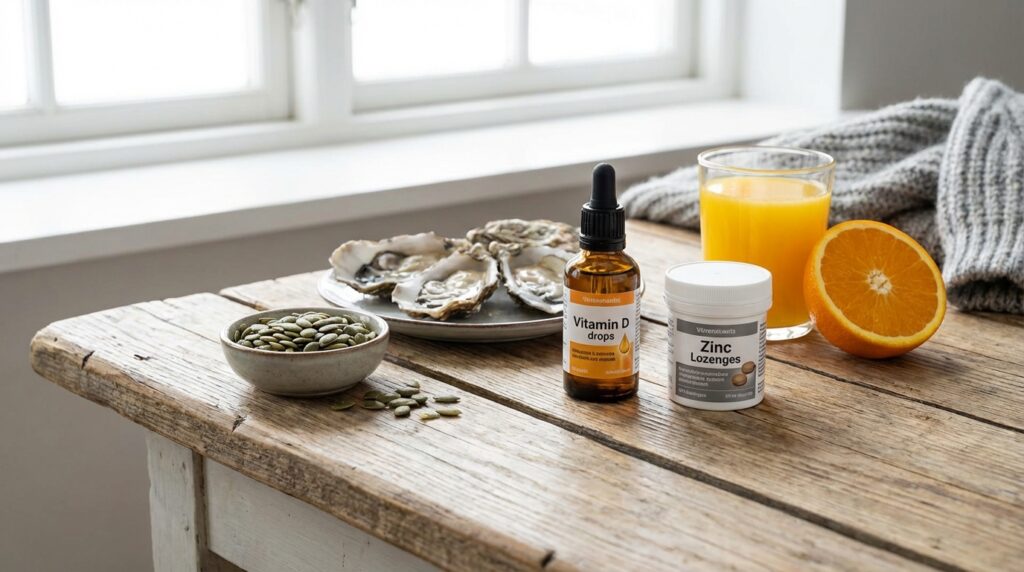
Vitamin D serves as a critical regulator of immune function, directly influencing T-cells and lymphocytes that form your body’s first line of defense against pathogens. Winter’s reduced sunlight exposure significantly impacts Vitamin D synthesis, making supplementation particularly important for men. The NIH recommends 1,000-4,000 IU daily during winter months to maintain optimal immune modulation and support natural killer cells activity.
Zinc operates as an essential cofactor for immune system maintenance, supporting white blood cells production and antibodies formation. This mineral demonstrates powerful antioxidants properties and directly affects cytokines production, which coordinate immune responses. Men require approximately 11 mg daily, with supplementation showing measurable improvements in infection resistance and cold weather health outcomes according to CDC guidelines.
Vitamin C and B Vitamins Support Immune Defense System

Vitamin C remains fundamental for immune fortification, supporting phagocytes function and enhancing cellular immune responses throughout the body. This powerful antioxidant protects immune cells from oxidative stress while promoting collagen synthesis essential for maintaining barrier defenses. Men should target 500-1,000 mg daily, particularly during periods of increased stress or exercise intensity that depletes reserves.
B Vitamins, including Vitamin B6, Vitamin B12, and Folate, collectively support immune competence through their roles in cellular energy production and immune cell proliferation. Vitamin B6 specifically influences lymphocyte differentiation, while B12 supports DNA synthesis in rapidly dividing immune cells. These nutrients work synergistically with amino acids and glutamine to optimize immune system resilience during seasonal health challenges.
Probiotics and Omega-3 Fatty Acids Enhance Immune Protection
Probiotics represent a cornerstone of natural immunity, with beneficial bacteria directly communicating with immune cells throughout the gastrointestinal tract. Research from Johns Hopkins indicates that men maintaining diverse gut microbiomes demonstrate superior immune responses and reduced susceptibility to respiratory infections. Daily probiotic supplementation containing multiple strains supports immune system health by modulating inflammatory responses and strengthening intestinal barrier function.
Omega-3 fatty acids provide anti-inflammatory support crucial for balanced immune function, preventing excessive inflammatory responses that can impair health resilience. These essential fats support cell membrane integrity and influence cytokine production patterns. Men should consume 1,000-2,000 mg combined EPA and DHA daily through supplements or fatty fish to optimize immune protective effects and support overall wellness optimization.
Sleep Quality and Exercise Optimize Men’s Immune Health
Sleep quality directly impacts immune system enhancement, with inadequate rest reducing natural killer cells activity and compromising antibody production. Men require 7-9 hours of quality sleep nightly to maintain optimal immune competence. During sleep, the body produces cytokines necessary for fighting infection and inflammation, making consistent sleep schedules a non-negotiable component of winter health maintenance and disease prevention strategies.
Exercise provides immune system support through multiple mechanisms, including improved circulation that allows immune cells to move efficiently throughout the body. Moderate-intensity activities enhance immune surveillance while managing cortisol levels that can suppress immunity when chronically elevated. However, excessive training without adequate recovery can temporarily impair immune function, requiring balanced winter fitness routines that support rather than compromise immune vitality.
Stress Management and Hydration Support Immune Resilience
Stress management emerges as critical for men’s immune health, as elevated cortisol directly suppresses immune system function and reduces white blood cells effectiveness. Chronic stress impairs both innate and adaptive immunity, increasing vulnerability to seasonal illness. Implementing daily stress-reduction practices—meditation, deep breathing, or outdoor activities—supports immune modulation and helps maintain testosterone levels that influence overall immune competence in men.
Hydration remains fundamental yet frequently overlooked for immune system maintenance, as water supports lymphatic system function that transports immune cells throughout the body. Winter’s dry air increases fluid requirements despite reduced thirst perception. Men should consume minimum 3 liters daily, adjusting for exercise and climate conditions. Proper hydration optimizes mucous membrane function, which serves as a physical barrier against pathogen entry and supports natural immunity.
| Essential Nutrient | Daily Recommendation for Men | Primary Immune Function | Food Sources |
|---|---|---|---|
| Vitamin D | 1,000-4,000 IU | T-cell activation, immune modulation | Fatty fish, fortified dairy, sunlight |
| Zinc | 11 mg | White blood cell production | Oysters, beef, pumpkin seeds |
| Vitamin C | 500-1,000 mg | Antioxidant protection, phagocyte function | Citrus fruits, bell peppers, broccoli |
| Selenium | 55 mcg | Antioxidant enzyme production | Brazil nuts, tuna, turkey |
Frequently Asked Questions
What are the best vitamins for men’s immune system in winter?
The most essential vitamins for men’s winter immunity include Vitamin D (1,000-4,000 IU daily), Vitamin C (500-1,000 mg), Zinc (11 mg), and B Vitamins including B6 and B12. These nutrients support white blood cells production, T-cell function, and overall immune system resilience during cold weather months when deficiencies are most common.
How does exercise affect men’s immune system during winter?
Moderate exercise enhances immune function by improving circulation, supporting natural killer cells activity, and managing cortisol levels. However, excessive high-intensity training without adequate recovery can temporarily suppress immunity. Men should maintain consistent, moderate-intensity winter fitness routines of 30-45 minutes most days while ensuring proper nutrition and sleep quality for optimal immune support.
Can probiotics really boost men’s winter immunity?
Yes, probiotics significantly support immune function by maintaining healthy gut microbiome diversity, which directly communicates with immune cells. Research shows men taking daily probiotics experience fewer respiratory infections and improved immune responses. Choose multi-strain formulations containing at least 10 billion CFU for optimal immune system enhancement and natural immunity support.
How much sleep do men need for optimal immune function?
Men require 7-9 hours of quality sleep nightly for optimal immune system maintenance. During sleep, the body produces cytokines and antibodies essential for fighting infections. Inadequate sleep reduces natural killer cells activity by up to 70% and increases susceptibility to illness. Consistent sleep schedules are as important as supplementation for winter immune health optimization.