Beyond the Gym: Comprehensive Hormone Health Tracking and Performance Optimization for Your New Year Fitness Goals
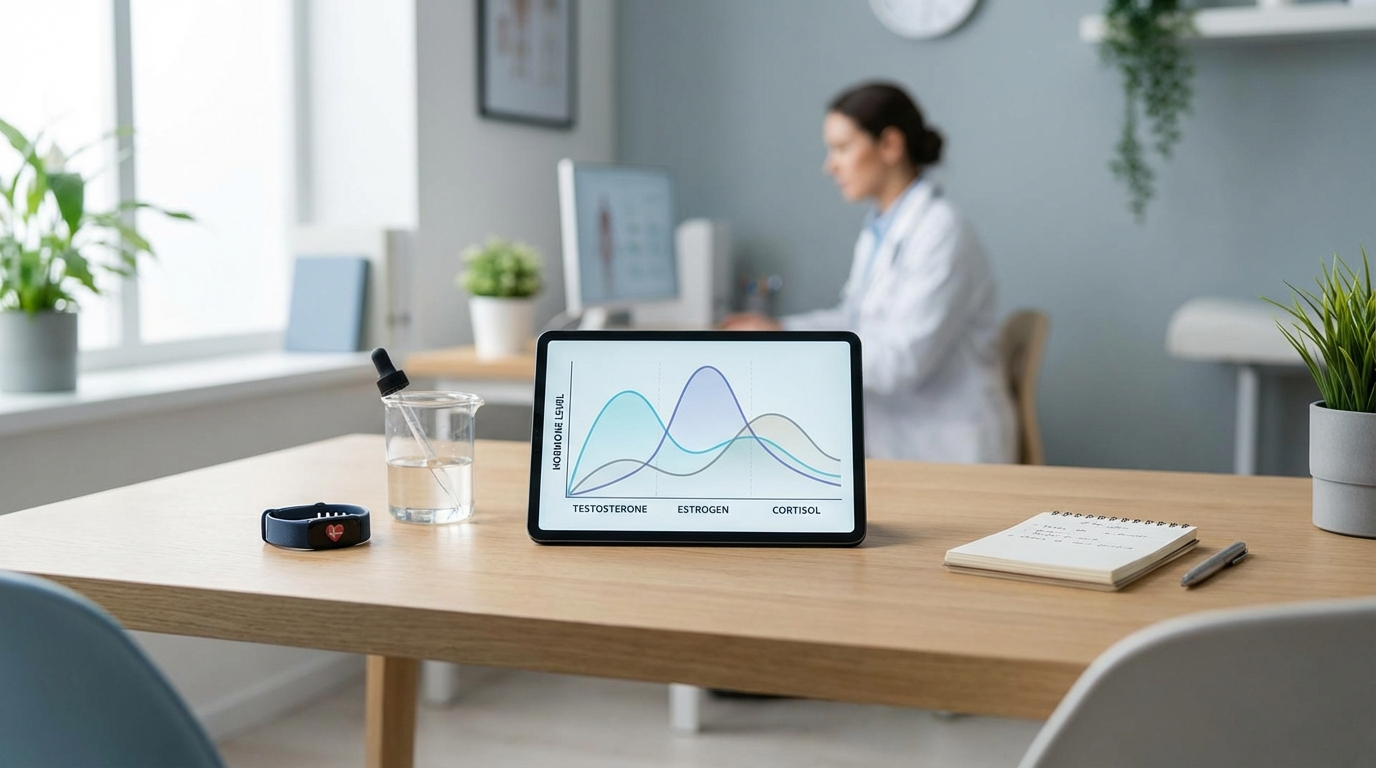
As we embark on New Year health goals, many athletes and fitness enthusiasts focus exclusively on workout programs and macronutrient balance while overlooking a critical factor: hormonal balance. The endocrine system serves as your body’s command center, orchestrating everything from muscle protein synthesis to fat loss hormones and athletic recovery. Understanding hormone optimization can transform your performance metrics far beyond what traditional training alone achieves.
The relationship between endocrine health and peak athletic performance extends well beyond testosterone and cortisol. Your hypothalamus, pituitary gland, thyroid gland, adrenal glands, and other endocrine organs create a hormone cascade that determines whether your body operates in an anabolic environment or struggles with metabolic dysfunction. This comprehensive approach to wellness tracking represents the future of fitness optimization.
Biomarker Testing and Blood Panel Analysis Reveal Performance Biomarkers

Working with an endocrinologist or functional medicine practitioner to conduct comprehensive biomarker analysis provides invaluable insights into your neuroendocrine function. A thorough metabolic panel, thyroid function test, and lipid panel can identify hormone-friendly lifestyle adjustments before symptoms manifest. This proactive healthcare approach addresses micronutrient deficiency and endocrine disruption that silently undermine training enhancement efforts.
Beyond standard blood work analysis, consider saliva testing for cortisol patterns and continuous monitoring of insulin sensitivity through advanced health diagnostics. The timing of hormone testing matters significantly—morning testosterone levels differ substantially from evening measurements, while cortisol follows natural circadian biology patterns. Strategic lab testing scheduled quarterly provides the health data necessary for meaningful body recomposition tracking.
Which Hormone Tests Should Athletes Prioritize for Optimal Performance?
Essential performance biomarkers include testosterone, estrogen, progesterone, thyroid hormones (TSH, T3, T4), cortisol, DHEA, insulin, growth hormone markers (IGF-1), vitamin D, and omega-3 fatty acids. Additionally, monitoring leptin and ghrelin provides insights into appetite regulation and metabolic rate, while melatonin patterns inform sleep optimization strategies. These hormonal health markers collectively paint a comprehensive picture of your endocrine optimization status.
Consider requesting parathyroid hormone, adrenaline, and glucagon testing if experiencing unexplained energy regulation issues or metabolic syndrome prevention concerns. Many athletes discover that subclinical thyroid dysfunction or adrenal fatigue significantly impairs workout recovery despite perfect training protocols. Comprehensive hormone panel interpretation requires expertise—partnering with practitioners experienced in exercise endocrinology and nutritional endocrinology ensures accurate assessment.
Testosterone and Growth Hormone Optimization Strategies for Anabolic Environment Creation

Optimizing anabolic hormones naturally requires understanding the distinction between anabolic and catabolic hormones. While testosterone replacement therapy (TRT) and hormone replacement therapy (HRT) offer medical solutions for clinical deficiencies, many athletes benefit from lifestyle changes to optimize hormone health first. Sleep quality improvement, stress hormone management, and nutrition optimization fundamentally influence natural hormone regulation before considering supplementation protocols.
Strength training athletes particularly benefit from understanding how insulin sensitivity, protein intake, and recovery strategies influence muscle growth optimization. The body’s testosterone production responds to adequate fat intake for hormone synthesis, zinc and magnesium for testosterone optimization, and strategic carb cycling for hormone optimization. These natural approaches often restore optimal hormone ranges without pharmaceutical intervention.
How Does Sleep Optimization Impact Hormone Health and Athletic Recovery?
Sleep represents the cornerstone of regenerative medicine and hormonal wellness. Growth hormone secretion peaks during deep sleep stages, while inadequate rest elevates cortisol and disrupts circadian rhythm alignment. Implementing sleep tracking through wearable devices like the Oura Ring provides actionable health metrics for improving sleep quality improvement and recovery optimization simultaneously.
Melatonin optimization through circadian biology practices—limiting blue light exposure, maintaining consistent sleep schedules, and optimizing bedroom temperature—significantly influences the entire hormone cascade. Research demonstrates that athletes sleeping fewer than seven hours experience measurably lower testosterone levels and impaired lean muscle mass development regardless of training intensity. Prioritizing chronobiology principles delivers measurable vitality optimization and anti-aging hormones benefits.
Cortisol Management and Stress Reduction for Enhanced Training Performance
Chronic stress elevation represents one of the most overlooked barriers to fitness transformation. When cortisol remains chronically elevated through inadequate stress management, your body preferentially operates in a catabolic state, breaking down muscle tissue while promoting fat storage. Understanding cortisol patterns through strategic hormone health monitoring prevents overtraining syndrome and supports better workout recovery.
Implementing adaptogens for hormone balance and stress management—including ashwagandha, rhodiola, and holy basil—can modulate the body’s stress response without suppressing necessary adrenaline during workouts. Additionally, practices like meditation, breathwork, and scheduled recovery days maintain optimal cortisol for better training results. The competitive edge increasingly belongs to athletes who master stress hormone management alongside their training enhancement protocols.
| Hormone | Primary Function | Optimization Strategy |
|---|---|---|
| Testosterone | Muscle protein synthesis, lean muscle mass | Resistance training, adequate fats, zinc supplementation |
| Cortisol | Stress response, energy mobilization | Sleep optimization, adaptogens, stress reduction |
| Thyroid Hormones | Metabolic rate, energy regulation | Iodine, selenium, thyroid function testing |
| Insulin | Blood sugar regulation, nutrient storage | Carb timing, strength training, fat loss strategies |
| Growth Hormone | Tissue repair, body recomposition | Deep sleep, intermittent fasting, HIIT training |
Thyroid Optimization and Metabolic Health for Energy Regulation
Thyroid dysfunction remains underdiagnosed among athletes despite its profound impact on metabolic function and workout performance. The thyroid gland produces hormones regulating essentially every cell’s metabolic rate, making thyroid optimization crucial for both muscle growth optimization and fat loss hormones. Subclinical hypothyroidism can masquerade as training plateaus, unexplained weight gain, or persistent fatigue despite adequate rest.
Comprehensive thyroid function testing should extend beyond TSH to include Free T3, Free T4, Reverse T3, and thyroid antibodies. Many athletes discover that micronutrient deficiencies—particularly iodine, selenium, and vitamin D—impair thyroid hormone conversion and utilization. Addressing gut health and hormone optimization connection alongside inflammation reduction for hormone health supports optimal thyroid performance without medication in many cases.
Wearable Devices and Health Tracking Apps Enable Continuous Performance Monitoring
Technology has democratized health monitoring through fitness wearables and biometric tracking systems that provide real-time wellness metrics. Devices tracking heart rate variability, sleep architecture, body temperature, and activity levels offer indirect insights into hormonal balance and recovery status. The Oura Ring, continuous glucose monitors, and advanced fitness tracking platforms transform abstract health transformation goals into quantifiable performance data.
Integrating data from health monitoring devices with periodic blood work analysis creates a comprehensive view of your endocrine optimization journey. Patterns emerge showing how nutrition optimization, sleep quality, training intensity, and stress levels influence performance metrics over time. This precision medicine approach to personalized health enables course corrections before minor imbalances become significant thyroid dysfunction or metabolic syndrome prevention challenges.
Frequently Asked Questions
How often should athletes get hormone testing for optimal performance tracking?
Athletes should conduct comprehensive hormone panels quarterly during optimization phases and biannually for maintenance. Initial baseline testing establishes your hormonal health markers, while follow-up tests every 8-12 weeks track the effectiveness of lifestyle interventions. After achieving optimal hormone ranges and stable performance metrics, transitioning to testing every six months maintains accountability while monitoring for age-related changes or training-induced fluctuations.
Can natural methods truly optimize testosterone without testosterone replacement therapy?
Many athletes successfully optimize testosterone naturally through strategic interventions before considering TRT. Prioritizing sleep optimization (7-9 hours nightly), resistance training emphasizing compound movements, adequate dietary fats (particularly saturated and monounsaturated), zinc and magnesium supplementation, stress hormone management, and maintaining healthy body composition can restore testosterone to optimal ranges. However, clinically low testosterone from medical conditions may require working with an endocrinologist for hormone replacement therapy protocols.
What role does nutrition play in hormone optimization for athletic performance?
Nutrition optimization fundamentally influences hormone synthesis and regulation. Adequate protein intake supports muscle protein synthesis and satiety hormones; healthy fats provide building blocks for steroid hormone production (testosterone, estrogen, progesterone); and strategic carbohydrate timing maintains insulin sensitivity and supports thyroid function. Micronutrient deficiency in vitamin D, magnesium, zinc, selenium, and omega-3 fatty acids directly impairs endocrine function. Working with practitioners trained in nutritional endocrinology ensures your macronutrient balance and supplement protocols support hormonal wellness.
How do wearable devices help track hormone health indirectly?
Wearable devices track biomarkers that correlate strongly with hormonal balance. Heart rate variability reflects autonomic nervous system balance and recovery status influenced by cortisol and testosterone. Sleep tracking reveals sleep architecture patterns affected by melatonin, growth hormone, and cortisol rhythms. Body temperature fluctuations indicate thyroid function and metabolic rate changes. Resting heart rate trends signal overtraining or inadequate recovery. Combined with periodic blood work analysis, these continuous wellness metrics provide early warnings of endocrine disruption before laboratory values shift outside normal ranges.