What Are the Signs of Low Testosterone in Men?

Low testosterone in men, medically termed hypogonadism or testosterone deficiency syndrome, is a condition where the testicles produce insufficient amounts of the male hormone testosterone, resulting in serum testosterone levels below 300 nanograms per deciliter (ng/dL) as of 2025 clinical standards. This hormonal imbalance affects approximately 20% of men over 60 and 40% of men over 80, according to the American Urological Association (2024). Recognizing the signs of low testosterone enables early intervention and prevents long-term complications including osteoporosis, cardiovascular disease, and type 2 diabetes.
Testosterone serves as the primary androgen responsible for male reproductive health, sexual function, muscle mass maintenance, bone density regulation, and red blood cell production. When testosterone production declines below optimal ranges, men experience a cascade of physical, sexual, emotional, and metabolic symptoms that significantly impact quality of life and overall male vitality.
Primary Physical Signs of Low Testosterone in Men

The physical symptoms of low testosterone in males manifest across multiple body systems, creating observable changes that often develop gradually over months or years.
Muscle Mass and Strength Decline
Testosterone directly stimulates protein synthesis and muscle development. According to research published in the Journal of Clinical Endocrinology & Metabolism (2023), men with testosterone deficiency experience a 15-20% reduction in lean body mass within 12 months. Muscle weakness becomes apparent during routine activities, and sarcopenia (age-related muscle atrophy) accelerates significantly. Men notice decreased strength during exercise, difficulty maintaining previous workout intensity, and loss of muscle definition despite consistent physical activity.
Increased Body Fat and Weight Gain
Low testosterone disrupts normal fat distribution and metabolism. Men with hypogonadism accumulate central obesity, particularly abdominal fat and belly fat, even without significant dietary changes. The body composition shifts from muscle tissue to adipose tissue, creating a cycle where increased body fat further suppresses testosterone production through aromatase enzyme activity that converts testosterone to estrogen. Studies indicate that men with testosterone levels below 250 ng/dL gain an average of 10-15 pounds of fat mass annually (Endocrine Society, 2024).
Reduced Bone Density
Testosterone maintains bone health by stimulating osteoblast activity and calcium retention. When testosterone declines, bone density decreases, creating brittle bones susceptible to fractures. Men with late-onset hypogonadism face a 30% higher risk of osteoporotic fractures compared to age-matched controls with normal testosterone range (National Osteoporosis Foundation, 2023). This bone loss occurs silently, making routine screening essential for men experiencing other low T symptoms.
Testicular Changes
Primary hypogonadism, originating in the testicles themselves, often causes testicular shrinkage. The testicles may become noticeably smaller and softer due to reduced sperm production and decreased Leydig cell function. Testicular injury, testicular cancer, mumps orchitis, and Klinefelter syndrome represent common causes of primary testicular failure.
Sexual Health and Reproductive Symptoms

Sexual dysfunction constitutes one of the most recognizable low testosterone symptoms in men, affecting both desire and performance.
Decreased Libido and Reduced Sexual Desire
Testosterone directly regulates sex drive through androgen receptors in the brain. Men with testosterone deficiency report significant loss of sexual interest, reduced spontaneous erections, and hypoactive sexual desire. The American Academy of Family Physicians (2024) identifies decreased libido as present in 75% of men with confirmed hypogonadism. This desire disorder affects intimate relationships and contributes to performance anxiety and relationship problems.
Erectile Dysfunction and Impotence
While erectile dysfunction results from multiple factors, testosterone deficiency significantly impairs erectile function. Low testosterone reduces nitric oxide production in penile tissue, compromising blood flow necessary for achieving and maintaining erections. Men experience difficulty achieving erection, poor erection quality, and reduced erectile firmness. Research demonstrates that 35-40% of men with total testosterone below 300 ng/dL experience moderate to severe erectile dysfunction (Journal of Sexual Medicine, 2023).
Reduced Sperm Production and Fertility Issues
Testosterone and follicle-stimulating hormone work synergistically to maintain sperm production in the testicles. Secondary hypogonadism, caused by pituitary gland or hypothalamus dysfunction, disrupts luteinizing hormone and FSH secretion, resulting in decreased spermatogenesis. Men attempting conception may discover infertility as the first indicator of testosterone deficiency syndrome.
Emotional and Cognitive Signs of Testosterone Deficiency
The psychological symptoms of low testosterone frequently emerge before physical changes become apparent, affecting mental health and daily functioning.
Depression and Mood Disorders
Testosterone influences neurotransmitter systems regulating mood, particularly dopamine and serotonin pathways. Men with hypogonadism experience higher rates of depression, irritability, and mood changes. Clinical studies reveal that men with testosterone levels below 200 ng/dL have a 400% increased risk of clinical depression compared to men with normal levels (American Psychiatric Association, 2024). These emotional changes often manifest as persistent sadness, reduced motivation, and anhedonia.
Cognitive Symptoms and Brain Fog
Androgen receptors throughout the brain support cognitive function, memory consolidation, and executive processing. Testosterone deficiency impairs these functions, causing brain fog, lack of focus, reduced concentration, and memory difficulties. Men report decreased mental clarity, slower information processing, and difficulty multitasking. The cognitive symptoms of low testosterone can mimic early dementia, necessitating proper differential diagnosis.
Reduced Confidence and Low Self-Esteem
The combination of physical decline, sexual dysfunction, and mood alterations significantly impacts self-perception. Men with symptomatic androgen deficiency report diminished performance confidence, reduced assertiveness, and decreased competitive drive. These psychological changes affect professional performance, social interactions, and personal relationships.
Metabolic and Energy-Related Indicators
Low testosterone disrupts metabolic processes, creating systemic effects beyond reproductive function.
Chronic Fatigue and Low Energy
Persistent fatigue despite adequate sleep represents a hallmark symptom of testosterone insufficiency. Men describe chronic tiredness, reduced stamina, and decreased physical endurance. According to the Mayo Clinic (2024), 80% of men with confirmed hypogonadism report significant fatigue interfering with daily activities. This low energy differs from normal tiredness, persisting throughout the day regardless of rest.
Sleep Disturbances and Sleep Apnea
Testosterone deficiency correlates strongly with sleep issues, particularly obstructive sleep apnea. Low testosterone reduces respiratory muscle tone and increases fat deposition around airways. Conversely, sleep apnea suppresses testosterone production, creating a bidirectional relationship. Men experience poor sleep quality, frequent nighttime awakening, and daytime sleepiness.
Metabolic Syndrome and Diabetes Risk
Low testosterone increases susceptibility to metabolic syndrome, characterized by insulin resistance, hypertension, dyslipidemia, and abdominal obesity. Men with testosterone levels below 300 ng/dL face a 250% higher risk of developing type 2 diabetes within five years (Diabetes Care Journal, 2023). The hormonal dysfunction impairs glucose metabolism and increases inflammatory markers associated with cardiovascular disease.
How Testosterone Production Works in the Male Body
Understanding normal testosterone synthesis clarifies why deficiency occurs and how symptoms develop.
- Hypothalamic Signaling: The hypothalamus releases gonadotropin-releasing hormone (GnRH) in pulsatile patterns.
- Pituitary Response: GnRH stimulates the pituitary gland to secrete luteinizing hormone and follicle-stimulating hormone.
- Testicular Production: Luteinizing hormone triggers Leydig cells in the testicles to synthesize testosterone from cholesterol.
- Circulation and Action: Testosterone enters bloodstream as total testosterone (protein-bound) and free testosterone (biologically active).
- Feedback Regulation: Adequate testosterone levels signal the hypothalamus and pituitary to reduce hormone secretion, maintaining homeostasis.
Disruption at any point in this hypothalamus-pituitary-testicular axis causes testosterone deficiency. Primary hypogonadism stems from testicular failure, while secondary hypogonadism results from hypothalamic or pituitary dysfunction.
Common Misconceptions About Low Testosterone
Myth: Low testosterone only affects older men during andropause or male menopause.
Reality: While testosterone decline accelerates after age 30 (approximately 1% annually), young men experience hypogonadism from genetic conditions (Klinefelter syndrome), testicular injury, chemotherapy, radiation therapy, anabolic steroid abuse, opioid medications, and corticosteroid use.
Myth: All symptoms of testosterone deficiency are reversible with testosterone replacement therapy.
Reality: Some permanent effects of low testosterone, particularly severe bone loss and complete testicular atrophy, may not fully reverse despite treatment. Early intervention produces superior outcomes.
Myth: Testosterone testing is unnecessary if symptoms are present.
Reality: Many conditions mimic low testosterone symptoms, including thyroid disorders, depression, and chronic illness. A serum testosterone test measuring total testosterone, free testosterone, and bioavailable testosterone confirms diagnosis before initiating therapy.
Myth: Testosterone replacement therapy causes aggressive behavior.
Reality: Properly monitored TRT restoring levels to normal physiologic ranges does not increase aggression. Supraphysiologic doses from steroid abuse cause behavioral changes.
Low Testosterone vs. Normal Age-Related Decline
Distinguishing pathologic testosterone deficiency from normal aging requires understanding key differences:
Normal Aging: Testosterone decreases gradually (1-2% annually after age 30), maintaining levels within normal testosterone range (300-1000 ng/dL). Men experience mild energy reduction and subtle body composition changes without significant sexual dysfunction or metabolic complications. The endocrine system maintains adequate androgen production for essential functions.
Clinical Hypogonadism: Testosterone drops below 300 ng/dL, causing symptomatic androgen deficiency with multiple severe symptoms affecting sexual health, physical performance, and metabolic health. Men experience obvious signs of low testosterone including marked erectile dysfunction, severe muscle loss, significant mood disorders, and dangerous signs of low testosterone such as extreme fatigue and cardiovascular changes.
The distinction determines whether testosterone replacement therapy is medically indicated versus lifestyle optimization being sufficient.
Diagnostic Process and When to Seek Medical Evaluation
Men experiencing multiple early signs of low testosterone should consult an endocrinologist or urologist specializing in male hormone deficiency. The diagnostic criteria for low testosterone require both symptomatic presentation and laboratory confirmation.
Laboratory Testing
A comprehensive serum testosterone test measures:
- Total Testosterone: Combined protein-bound and free testosterone (normal range: 300-1000 ng/dL)
- Free Testosterone: Biologically active, unbound hormone (normal range: 5-21 ng/dL)
- Bioavailable Testosterone: Free plus albumin-bound testosterone
- Luteinizing Hormone and FSH: Distinguish primary versus secondary hypogonadism
- Sex Hormone-Binding Globulin: Affects testosterone availability
Testing occurs between 7-10 AM when testosterone levels peak naturally. Two separate tests confirm diagnosis, as testosterone fluctuates daily.
Warning Signs Requiring Immediate Evaluation
Certain severe low testosterone symptoms necessitate urgent medical assessment:
- Complete loss of libido persisting beyond three months
- Sudden testicular shrinkage or testicular pain
- Severe depression with suicidal ideation
- Unexplained rapid weight gain exceeding 20 pounds
- Multiple bone fractures from minimal trauma
- Breast enlargement (gynecomastia) in men
- Extreme fatigue preventing basic daily activities
Treatment Options and Prognosis
Once diagnosed, treatment options include:
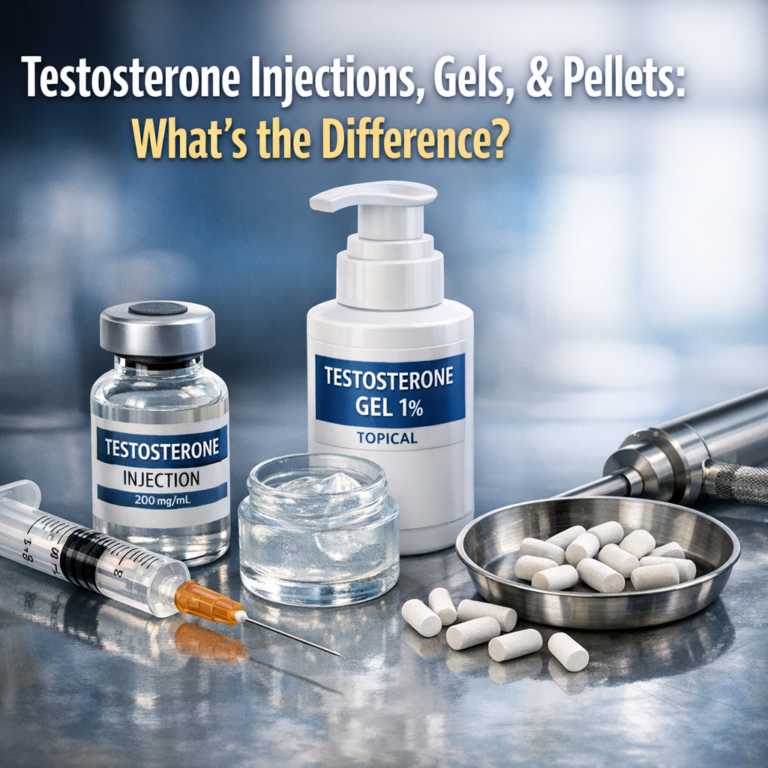
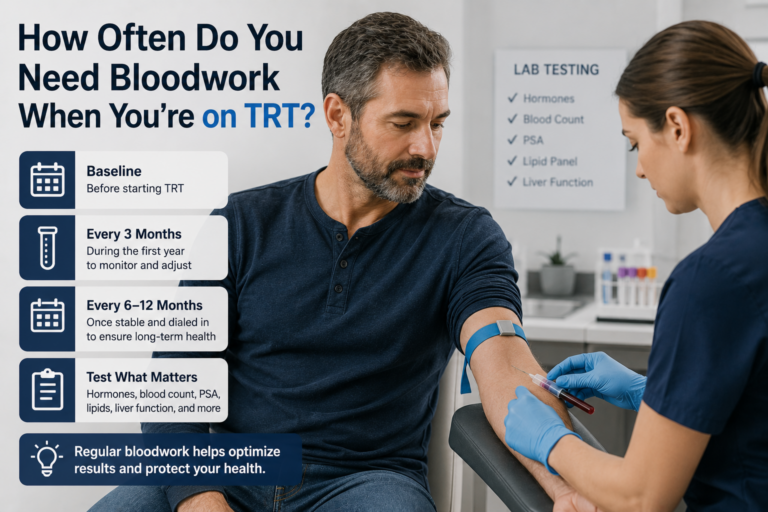
Testosterone Replacement Therapy (TRT): Available as testosterone gel, testosterone injection, testosterone patch, and testosterone pellets. TRT restores testosterone to physiologic ranges, reversing many reversible symptoms of low testosterone within 3-6 months. Treatment requires ongoing monitoring for side effects including polycythemia (elevated red blood cells), sleep apnea exacerbation, and prostate health changes.
Lifestyle Modifications: Weight loss, resistance training, stress reduction, and adequate sleep naturally boost testosterone production. These interventions prove particularly effective for mild low testosterone symptoms in men with obesity or metabolic syndrome.
Treating Underlying Causes: Addressing conditions causing secondary hypogonadism, including pituitary tumors, hemochromatosis, or medication-induced suppression, may restore natural testosterone synthesis.
The prognosis for men receiving appropriate treatment is excellent. Most patients report significant improvement in energy levels, sexual function, mood, and physical performance within six months of initiating therapy, with continued benefits during long-term maintenance.