How Does Testosterone Replacement Therapy (TRT) Work?
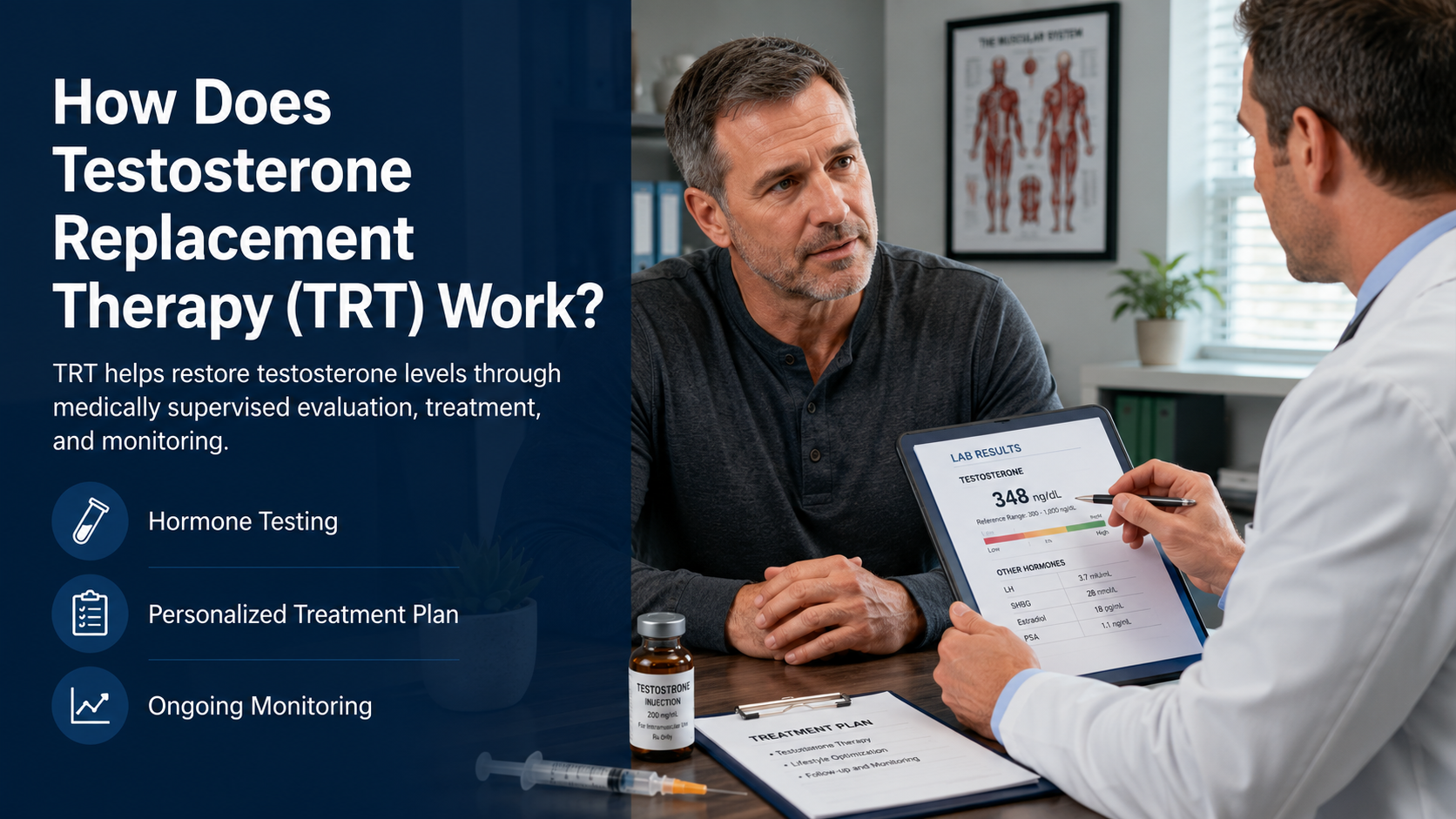
Testosterone Replacement Therapy (TRT) is a medical treatment that supplements or replaces testosterone in men diagnosed with hypogonadism or clinically low testosterone levels. According to the FDA, TRT involves administering exogenous testosterone through various delivery methods to restore serum testosterone to normal physiological ranges (typically 300-1000 ng/dL as of 2025).
Why Testosterone Replacement Therapy Matters for Men’s Health

Testosterone, the primary androgen in males, plays critical roles in muscle mass maintenance, bone density, libido, energy levels, and mood regulation. When the testes fail to produce adequate testosterone—a condition called androgen deficiency or Low T—men experience symptoms ranging from erectile dysfunction to depression. Testosterone deficiency affects approximately 40% of men over age 45, with prevalence increasing with age-related testosterone decrease. TRT addresses this hormonal imbalance through hormone replacement therapy protocols supervised by an endocrinologist or urologist.
Male hormone therapy has evolved significantly since synthetic testosterone first became available in the 1930s. Modern testosterone therapy benefits include improved sexual function, increased muscle mass, enhanced bone density, reduced body fat, and better cognitive function. Understanding how TRT therapy works helps patients make informed decisions about treatment options.
Five Key Characteristics of Testosterone Replacement Therapy

1. Medical Diagnosis Required
TRT requires documented hypogonadism through testosterone blood test results showing total testosterone below 300 ng/dL on two separate morning measurements. Diagnosing low testosterone involves comprehensive hormone blood tests measuring total testosterone, free testosterone, bioavailable testosterone, luteinizing hormone (LH), follicle-stimulating hormone (FSH), and sex hormone binding globulin (SHBG).
2. Multiple Delivery Methods
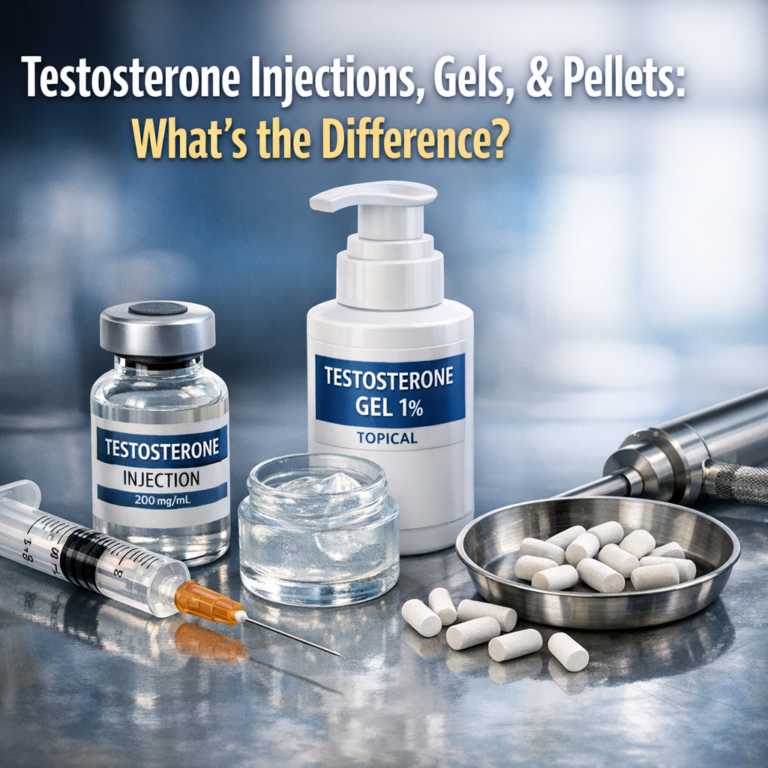
Testosterone administration occurs through testosterone injections, testosterone gel, testosterone patch, testosterone pellet, oral testosterone (Jatenzo), buccal testosterone tablets, or nasal testosterone. Each testosterone delivery method offers distinct pharmacokinetics affecting hormone level optimization.
3. Prescription-Only Treatment
All FDA-approved testosterone formulations require testosterone prescriptions from licensed physicians. Testosterone cypionate, testosterone enanthate, testosterone undecanoate (Aveed), Androgel, Testim, Axiron, Fortesta, Vogelxo, and Depo-Testosterone are controlled substances regulated for male hypogonadism treatment.
4. Ongoing Medical Monitoring
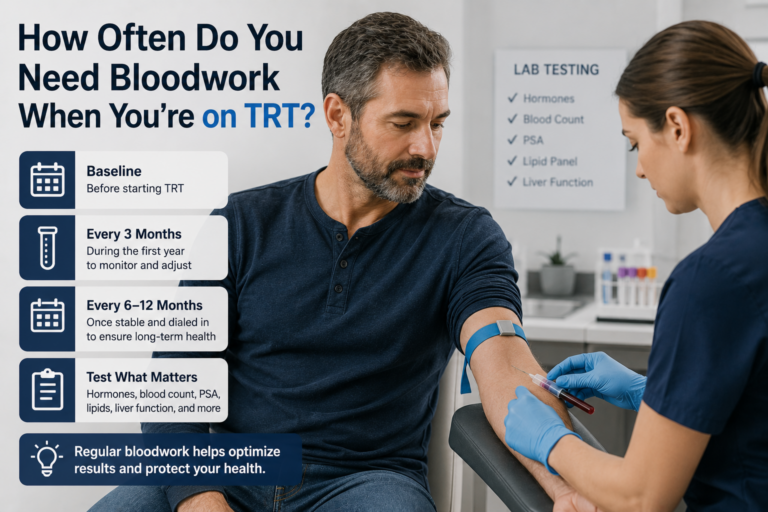
Testosterone therapy monitoring includes regular PSA testing, prostate monitoring, hematocrit monitoring, blood count monitoring, liver enzyme testing, lipid panel monitoring, and estradiol monitoring to assess testosterone therapy safety and testosterone efficacy.
5. Suppression of Natural Production
Exogenous testosterone suppresses the hypothalamic-pituitary-gonadal (HPG axis), reducing endogenous testosterone production by Leydig cells in the testes. This mechanism distinguishes TRT from testosterone boosting supplements.
How Testosterone Replacement Therapy Works: The Biological Mechanism
Step 1: Testosterone Administration and Absorption
Testosterone supplementation begins with selecting an appropriate testosterone formulation. Transdermal testosterone (testosterone gel application, topical testosterone, testosterone patch placement) absorbs through skin into the bloodstream. How do testosterone gels work involves applying gel to shoulders or abdomen, where testosterone molecules penetrate the epidermis and enter circulation. Testosterone injection sites include deltoid, gluteal, or thigh muscles, with intramuscular injections releasing testosterone gradually. How to inject testosterone for TRT typically involves subcutaneous or intramuscular administration every 1-2 weeks for testosterone cypionate and testosterone enanthate. Subcutaneous testosterone pellets implanted under the skin release testosterone steadily for 3-6 months. How long does testosterone cypionate last depends on dosing, typically providing therapeutic levels for 7-14 days, while how long does testosterone enanthate last ranges 7-10 days.
Step 2: Testosterone Distribution and Conversion
Once absorbed, bioidentical testosterone circulates bound to SHBG (60%), albumin (38%), or as free testosterone (2%). Free testosterone calculation determines the biologically active hormone available to tissues. Testosterone undergoes enzymatic conversion: aromatase converts testosterone to estradiol, while 5-alpha-reductase converts testosterone to dihydrotestosterone (DHT). DHT levels influence hair growth and prostate tissue, while estradiol levels affect bone density and mood.
Step 3: Cellular Action and Physiological Effects
Free testosterone enters cells and binds to androgen receptors, initiating gene transcription. This process explains how does testosterone replacement therapy increase muscle mass (enhanced protein synthesis), how does TRT improve energy levels (mitochondrial function), and how does testosterone replacement therapy affect libido (neural receptor activation). How does TRT help with erectile dysfunction involves improved nitric oxide synthesis and vascular function. How does testosterone replacement therapy improve mood relates to neurotransmitter modulation in brain regions.
Step 4: Negative Feedback Loop Suppression
Elevated serum testosterone signals the hypothalamus and pituitary gland to reduce luteinizing hormone and follicle-stimulating hormone secretion. This negative feedback loop explains how does TRT affect natural testosterone production: the testes reduce endogenous testosterone synthesis. Does testosterone replacement therapy shut down natural production? Yes, typically within 2-4 weeks of starting therapy, though the degree varies individually.
Step 5: Ongoing Dose Adjustment and Monitoring
Testosterone dose adjustment occurs based on testosterone lab work measuring trough levels (for injections) or steady-state levels (for gels/patches). What is the typical testosterone replacement therapy dosage ranges from 50-200mg weekly for injections or 5-10g daily for gels. TRT follow-up appointments every 3-6 months ensure optimal testosterone levels while monitoring testosterone therapy side effects.
Common Misconceptions About Testosterone Replacement Therapy
Myth: TRT Causes Prostate Cancer
Reality: According to multiple studies published between 2016-2024, testosterone replacement therapy does not cause prostate cancer in men with normal baseline prostate specific antigen (PSA) levels. How does TRT affect the prostate involves monitoring PSA levels and performing digital rectal exams, but current evidence shows no increased prostate cancer risk from appropriately monitored hormone therapy for men.
Myth: You Can Stop TRT Anytime Without Consequences
Reality: What happens when you stop testosterone replacement therapy includes testosterone withdrawal symptoms such as fatigue, depression, and loss of muscle mass. Can you stop testosterone replacement therapy? Yes, but TRT discontinuation requires medical supervision and potentially using clomiphene citrate or human chorionic gonadotropin (HCG) to restart natural testosterone production.
Myth: TRT Works Immediately
Reality: How long does testosterone replacement therapy take to work varies by outcome: libido improvements occur within 3-6 weeks, how does testosterone replacement therapy reduce body fat becomes noticeable at 3-6 months, how does TRT affect bone density requires 6-12 months, and maximum benefits typically manifest after 12-24 months of continuous treatment.
Myth: All Low Testosterone Requires TRT
Reality: Who is a candidate for testosterone replacement therapy depends on symptoms plus confirmed lab results. Some cases of androgen deficiency syndrome respond to lifestyle modifications, weight loss, or treating underlying conditions. What is the process for testosterone replacement therapy begins with comprehensive evaluation by an endocrinologist identifying causes of low testosterone.
Myth: TRT and Testosterone Boosters Are Similar
Reality: Testosterone boosting supplements claim to enhance testosterone synthesis but lack FDA approval and clinical evidence. TRT provides pharmaceutical-grade hormones with predictable effects on androgen levels, while testosterone enhancement supplements offer inconsistent results.
Testosterone Replacement Therapy vs. Natural Testosterone Boosters
| Feature | TRT (Androgen Replacement Therapy) | Testosterone Boosters |
|---|---|---|
| Mechanism | Exogenous testosterone directly raises serum testosterone levels | Supplements claim to stimulate testosterone synthesis |
| Regulation | FDA-approved, prescription required, controlled substance | Dietary supplements, no prescription, minimal regulation |
| Effectiveness | Clinically proven testosterone restoration to normal ranges | Limited evidence, inconsistent testosterone pharmacology |
| Medical Supervision | Requires endocrinologist or urologist monitoring | Over-the-counter, no medical oversight required |
| Side Effects | Known risks including hematocrit elevation, fertility impacts | Variable, often undisclosed ingredients |
| Cost | How much does testosterone replacement therapy cost: $100-500 monthly | $30-100 monthly, typically not insurance-covered |
Practical Applications: Starting and Managing TRT
Eligibility Criteria and Initial Assessment
How to start testosterone replacement therapy begins with recognizing low testosterone symptoms: decreased libido, erectile dysfunction, fatigue, depression, reduced muscle mass, increased body fat, and diminished cognitive function. Symptoms of hypogonadism warrant evaluation by a physician specializing in male hormone deficiency. The diagnosis requires two morning testosterone blood tests showing total testosterone below 300 ng/dL, accompanied by clinical symptoms. Normal testosterone range varies by age and laboratory, but most reference ranges span 300-1000 ng/dL for adult males.
Selecting Testosterone Delivery Methods
What are the different types of testosterone replacement therapy? How do doctors prescribe testosterone replacement therapy depends on patient preference, lifestyle, and medical factors:
- Testosterone Injections: How often are testosterone injections given? Testosterone cypionate and enanthate require injections every 7-14 days. Where do you inject testosterone for TRT includes deltoid, gluteal, or vastus lateralis muscles. How effective is testosterone replacement therapy via injection: highly effective with predictable pharmacokinetics.
- Testosterone Gels: Daily testosterone gel application (Androgel, Testim, Axiron, Fortesta, Vogelxo) provides steady testosterone levels. How does testosterone gel absorb into the body involves penetration through stratum corneum with peak absorption in 2-4 hours.
- Testosterone Patches: Applied nightly, transdermal testosterone patches deliver continuous hormone absorption with fewer application concerns than gels.
- Testosterone Pellets: Testosterone pellet implantation involves minor surgical placement under the skin, releasing testosterone for 3-6 months. What is the best form of testosterone replacement therapy varies individually.
- Oral Testosterone: Testosterone undecanoate (Jatenzo) offers how does oral testosterone work through lymphatic absorption, avoiding first-pass liver metabolism.
Treatment Protocols and Monitoring Schedule
Testosterone therapy protocols follow standardized testosterone therapy guidelines established by endocrine societies. Initial testosterone dosing begins conservatively with testosterone dose adjustment based on follow-up labs. What blood tests are needed for testosterone replacement therapy include:
- Total testosterone, free testosterone, SHBG levels every 3-6 months
- Hematocrit and hemoglobin (blood count monitoring for polycythemia risk)
- PSA testing and prostate monitoring annually for men over 40
- Estradiol monitoring to assess aromatase activity
- Lipid panel monitoring for cardiovascular health
- Liver enzyme testing with oral testosterone formulations
Long-Term Management Considerations
How long do you stay on testosterone replacement therapy? Long-term TRT typically continues indefinitely for men with permanent hypogonadism (primary testicular failure, pituitary disorders). Testosterone therapy duration for age-related testosterone decline may be lifelong. Male hormone optimization requires ongoing hormone treatment plans adjusted for changing physiological needs.
Does testosterone replacement therapy affect fertility? Yes, TRT suppresses follicle-stimulating hormone, reducing sperm production. How does TRT affect sperm production involves decreased spermatogenesis, potentially causing infertility. Can you have children on testosterone replacement therapy? Options include freezing sperm before TRT or using human chorionic gonadotropin (HCG) alongside testosterone to maintain fertility.
What Are the Risks of Testosterone Replacement Therapy?
What are the side effects of testosterone replacement therapy include:
- Polycythemia (elevated hematocrit above 54%)
- Acne and oily skin
- Sleep apnea exacerbation
- Breast tissue enlargement (gynecomastia) from estradiol conversion
- Testicular atrophy due to suppressed endogenous testosterone
- Reduced fertility and sperm production
- Mood changes or increased aggression
- Fluid retention and edema
Is testosterone replacement therapy safe? When properly monitored under medical supervision with regular testosterone therapy monitoring, TRT maintains an acceptable safety profile for most men with documented hypogonadism.
Conclusion: Understanding How TRT Restores Hormonal Balance
Testosterone Replacement Therapy works by providing exogenous testosterone through various delivery methods, restoring serum testosterone to physiological ranges in men with diagnosed hypogonadism. The mechanism involves testosterone absorption, distribution, cellular action via androgen receptors, and suppression of the HPG axis. How effective is testosterone replacement therapy depends on proper patient selection, appropriate dosing, and consistent medical monitoring. With benefits including improved sexual function, increased muscle mass, enhanced mood, and better quality of life, TRT represents a proven endocrine therapy for male hormone deficiency when administered according to established testosterone therapy guidelines by qualified healthcare providers specializing in hormone restoration.