will-insurance-cover-testosterone-replacement-therapy-or-trt-bloodwork-2026

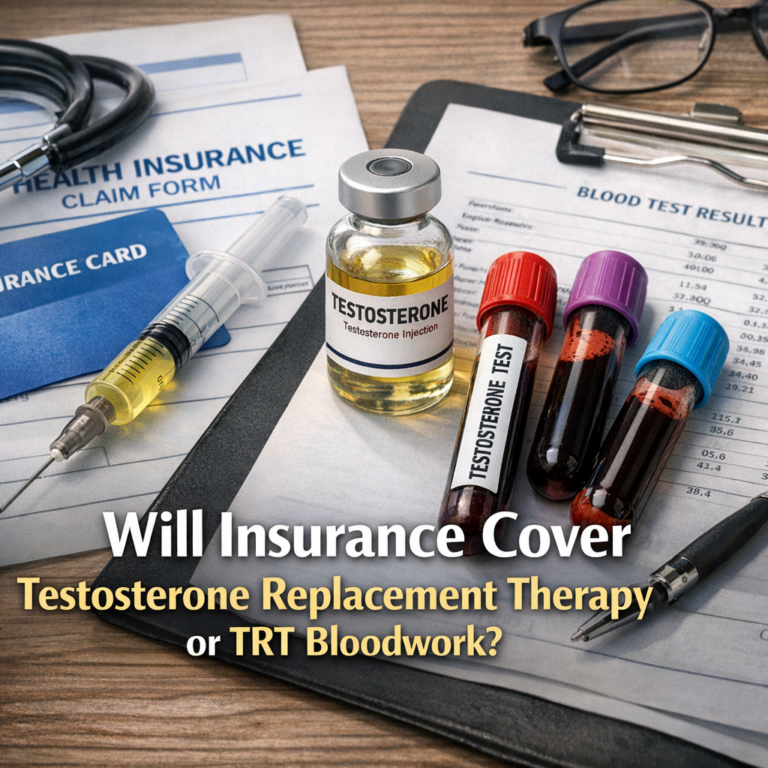
What Is Insurance Coverage for Testosterone Replacement Therapy? Understanding TRT and Bloodwork Benefits

Insurance coverage for testosterone replacement therapy (TRT) is a health insurance benefit that pays for medically necessary treatment of clinically diagnosed low testosterone (hypogonadism) and associated diagnostic testing when specific clinical criteria are met. Most health insurance plans, including Medicare, Medicaid, and private insurance, will cover TRT and bloodwork when a healthcare provider documents medical…
does-trt-affect-fertility-and-can-you-preserve-it-while-on-therapy-2026

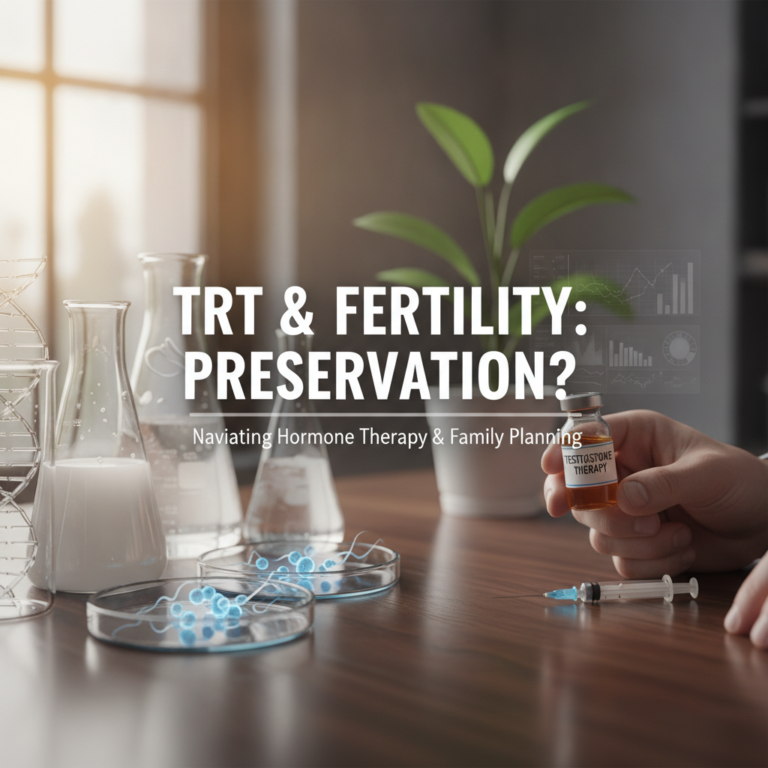
Does TRT Affect Fertility and Can You Preserve It While on Therapy? 2025

Testosterone Replacement Therapy (TRT) significantly suppresses sperm production in 90% of men within 6 months, according to reproductive endocrinology research (Journal of Clinical Endocrinology & Metabolism, 2023). The exogenous testosterone disrupts the Hypothalamic-Pituitary-Gonadal Axis, reducing Luteinizing Hormone (LH) and Follicle Stimulating Hormone (FSH) to near-zero levels. Whereas standard TRT protocols typically cause azoospermia or severe oligospermia,…

Testosterone therapy consultation explained

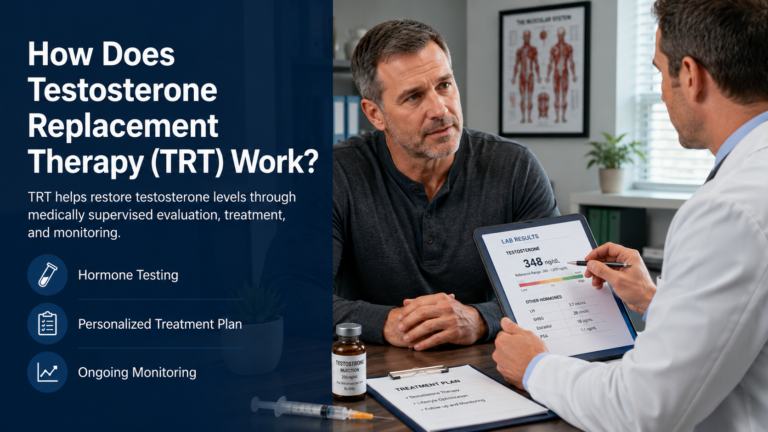
How Does Testosterone Replacement Therapy (TRT) Work?

Testosterone Replacement Therapy (TRT) is a medical treatment that supplements or replaces testosterone in men diagnosed with hypogonadism or clinically low testosterone levels. According to the FDA, TRT involves administering exogenous testosterone through various delivery methods to restore serum testosterone to normal physiological ranges (typically 300-1000 ng/dL as of 2025). Why Testosterone Replacement Therapy Matters…

Testosterone therapy side effects explained

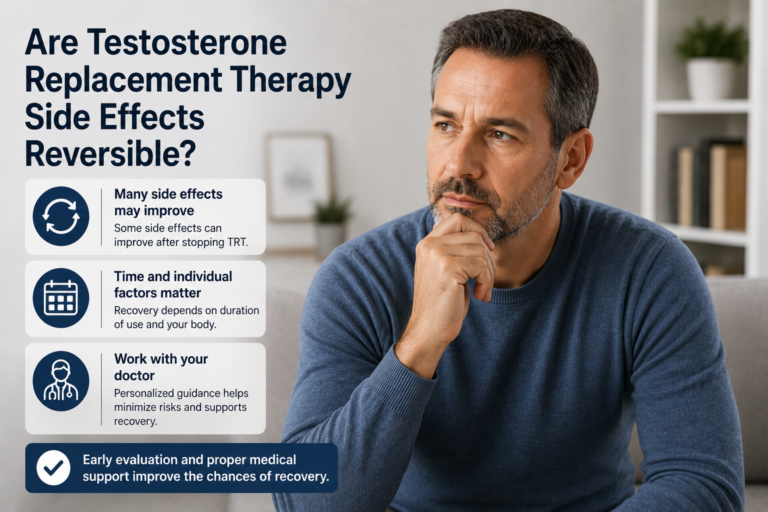
Are Testosterone Replacement Therapy Side Effects Reversible? Evidence-Based Analysis

Most testosterone replacement therapy side effects are reversible within 3-12 months after discontinuation, including testicular atrophy, suppressed sperm production, and gynecomastia. According to the American Urological Association (2022), 70-85% of men experience full recovery of natural testosterone production within 6-24 months of stopping TRT. However, some effects like male pattern baldness and certain cardiovascular changes…

Low Testosterone Symptoms: Fatigue, hair loss, low libido. Diagnosis & signs

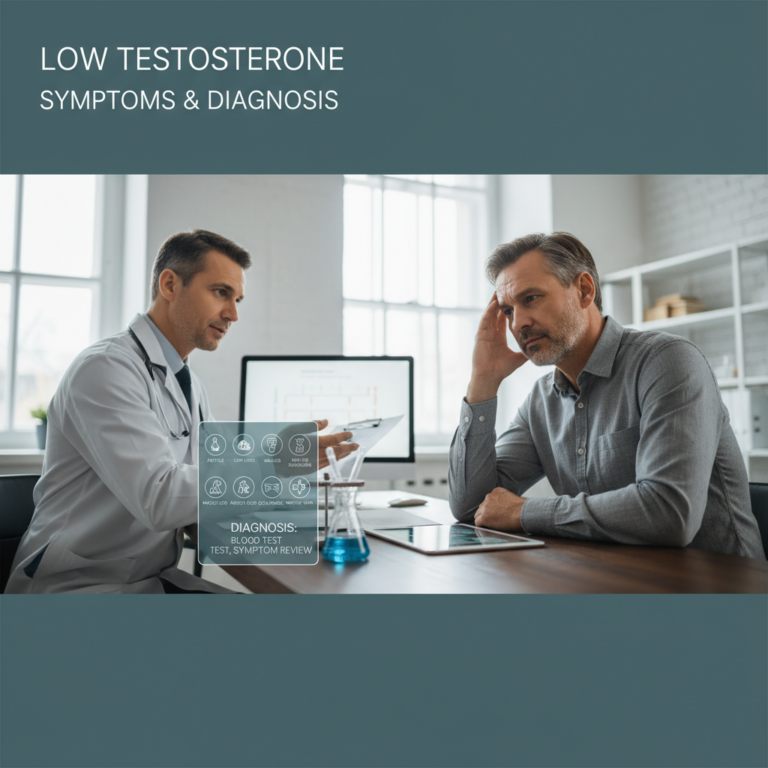
What Are the Most Common Symptoms of Low Testosterone and How Is It Diagnosed?

Low testosterone, clinically termed hypogonadism, is a medical condition characterized by insufficient testosterone production by the testicles, resulting in serum testosterone levels below the normal reference range for adult men (typically below 300 ng/dL as of 2025). This androgen deficiency affects approximately 2-6 million American men, according to the American Urological Association (2018), yet remains underdiagnosed…