Lifestyle Changes to Support Healthy Testosterone: Evidence-Based Strategies for Hormone Optimization and Male Vitality

Understanding how to maintain optimal androgen levels through natural means has become increasingly important for men seeking to preserve their vitality and overall wellness. While pharmaceutical interventions exist, implementing lifestyle changes to support healthy testosterone offers a sustainable, holistic approach to hormone optimization that addresses the root causes of testosterone decline. These behavioral modifications work synergistically with your body’s endocrine function to enhance natural testosterone production without the potential complications associated with medical treatments.
The modern lifestyle presents numerous challenges to maintaining healthy testosterone levels, from chronic stress and poor sleep quality to suboptimal nutrition and sedentary behavior. By understanding the interconnected relationship between daily habits and hormonal wellness, men can implement targeted interventions that restore hormonal balance and improve overall metabolic health. This comprehensive guide examines the most effective lifestyle changes for testosterone restoration, providing actionable strategies that deliver measurable results.
Resistance Training and Weight Lifting Optimize Testosterone Production

Among all exercise modalities, resistance training stands as the most powerful natural testosterone enhancement strategy available. Compound exercises that engage multiple muscle groups simultaneously—such as squats, deadlifts, bench presses, and overhead presses—create a hormonal cascade that stimulates the Leydig cells in your testes to increase testosterone synthesis. These movements trigger the hypothalamus and pituitary gland to release luteinizing hormone, which directly signals increased androgen production.
The relationship between strength training benefits and hormone optimization extends beyond immediate post-workout testosterone spikes. Regular weight lifting progressively builds lean muscle mass, which itself functions as metabolically active tissue that supports sustained testosterone levels. Research demonstrates that training protocols emphasizing heavier loads (70-85% of one-repetition maximum) with moderate volume produce the most significant hormonal responses, particularly when combined with adequate recovery periods between sessions.
How Does High-Intensity Interval Training Support Hormone Balance?
High-intensity interval training (HIIT) represents another exercise modality that powerfully influences testosterone levels and free testosterone availability. Unlike steady-state cardiovascular exercise, which when performed excessively can elevate cortisol and suppress testosterone, HIIT sessions alternate between maximum-effort bursts and recovery periods, creating favorable hormonal conditions. This approach optimizes the testosterone-to-cortisol ratio while improving insulin sensitivity and reducing inflammation, both critical factors for maintaining healthy androgen levels.
The metabolic hormone balance created through HIIT workouts extends beyond the immediate training session. These brief but intense efforts enhance mitochondrial function, improve body composition by reducing body fat percentage, and stimulate growth hormone release that works synergistically with testosterone for muscle building hormones. For optimal results, limit HIIT sessions to 2-3 times weekly, allowing adequate recovery to prevent the counterproductive cortisol elevation associated with overtraining.
Sleep Quality and Circadian Rhythm Regulate Testosterone Synthesis

The critical importance of sleep for testosterone production cannot be overstated—testosterone synthesis occurs predominantly during deep sleep cycles, with approximately 60-70% of daily testosterone production happening during nighttime hours. Men who consistently obtain less than 6 hours of sleep experience measurable reductions in total testosterone and free testosterone levels, with some studies showing decreases of 10-15% after just one week of sleep restriction. This demonstrates how profoundly circadian health influences endocrine wellness.
Beyond duration, sleep architecture and quality determine how effectively your body produces testosterone. The relationship between circadian rhythm and hormonal production means that irregular sleep schedules disrupt the hypothalamic-pituitary-gonadal axis, leading to decreased luteinizing hormone secretion and consequently reduced testosterone production. Implementing consistent sleep-wake times, optimizing your sleep environment for darkness and temperature control, and minimizing blue light exposure before bedtime all contribute to enhanced testosterone restoration during sleep.
What Sleep Optimization Strategies Maximize Testosterone Production?
Establishing a testosterone-supporting sleep routine requires attention to multiple factors that influence both sleep quality and duration. First, maintain absolute consistency with bedtime and wake times, even on weekends, to synchronize your circadian rhythm with natural light-dark cycles. Second, create an environment conducive to deep sleep by ensuring complete darkness, maintaining bedroom temperatures between 65-68°F, and eliminating electronic devices that emit sleep-disrupting blue light wavelengths.
Additional evidence-based strategies include avoiding caffeine after 2 PM, limiting alcohol intake (which fragments sleep architecture despite its sedative effects), and establishing a pre-sleep wind-down routine that signals your body to initiate melatonin production. Strategic magnesium supplementation (300-400mg of glycinate or threonate forms) taken 30-60 minutes before bed can improve sleep quality while simultaneously supporting testosterone synthesis, as this mineral serves as a cofactor in numerous enzymatic processes involved in androgen production.
Stress Management and Cortisol Reduction Preserve Androgen Levels
The inverse relationship between cortisol and testosterone represents one of the most critical dynamics in male hormone health. Chronic psychological stress triggers sustained cortisol elevation, which directly inhibits testosterone production through multiple mechanisms: cortisol suppresses luteinizing hormone release from the pituitary gland, reduces the sensitivity of Leydig cells to hormonal signals, and accelerates the conversion of testosterone to estrogen via increased aromatase enzyme activity. This explains why men experiencing chronic stress often exhibit symptoms of testosterone deficiency despite no other underlying health conditions.
Implementing effective stress management techniques therefore becomes essential for testosterone maintenance and hormonal wellness. The physiological burden of unmanaged stress extends beyond direct hormonal suppression—elevated cortisol promotes visceral fat accumulation, disrupts sleep architecture, impairs insulin sensitivity, and creates systemic inflammation, all of which independently contribute to testosterone decline. Addressing stress through proven interventions creates a foundation for optimal endocrine function.
Which Stress Reduction Techniques Most Effectively Support Testosterone?
Evidence-based stress management approaches that specifically benefit testosterone levels include mindfulness meditation, which studies show can reduce cortisol by 20-30% when practiced consistently for just 10-15 minutes daily. Deep breathing exercises activating the parasympathetic nervous system provide immediate cortisol reduction, while regular nature exposure and time outdoors decreases stress hormones while simultaneously optimizing vitamin D status—another critical nutrient for testosterone production.
Strategic lifestyle interventions such as establishing firm work-life boundaries, cultivating supportive social connections, and engaging in enjoyable recreational activities all contribute to stress hormone modulation. For men facing particularly challenging periods, working with a qualified healthcare provider or endocrinologist to develop comprehensive wellness strategies may prove invaluable. Consider that adaptogenic herbs like ashwagandha and rhodiola have demonstrated capacity to buffer cortisol responses while supporting testosterone, though supplementation should complement rather than replace fundamental behavioral modifications.
Nutrition and Whole Foods Provide Building Blocks for Testosterone
Dietary patterns exert profound influence on testosterone levels through multiple pathways, from providing essential nutrients required for hormone synthesis to modulating body composition and metabolic health. A Mediterranean diet rich in whole foods, healthy fats, and nutrient-dense vegetables consistently demonstrates superior outcomes for testosterone maintenance compared to Western dietary patterns characterized by processed foods and excessive sugar consumption. The foundation of testosterone nutrition involves consuming adequate protein intake to supply amino acids necessary for hormone production while obtaining sufficient healthy fats that serve as cholesterol-based precursors for all steroid hormones.
Specific nutrients demonstrate particular importance for natural testosterone production. Zinc deficiency directly impairs testosterone synthesis, as this mineral serves as an essential cofactor for enzymes involved in androgen production and helps prevent excessive conversion to estrogen. Vitamin D functions more like a hormone than a vitamin, with receptors throughout the reproductive system; men with optimized vitamin D levels (40-60 ng/mL) consistently show higher testosterone than those with deficiency. Magnesium supports testosterone by increasing free testosterone availability through reduced binding to sex hormone binding globulin (SHBG).
How Do Dietary Fats and Omega-3 Fatty Acids Influence Hormones?
The relationship between dietary fat intake and testosterone production challenges outdated low-fat dietary recommendations. Research conclusively demonstrates that men consuming diets with 30-40% of calories from healthy fats maintain significantly higher testosterone levels than those following low-fat approaches. This occurs because cholesterol serves as the structural foundation for all steroid hormones, including testosterone, making adequate fat consumption essential for optimal hormone optimization.
Omega-3 fatty acids specifically support testosterone through anti-inflammatory mechanisms and by improving insulin sensitivity, both critical for maintaining healthy androgen levels. These essential fats, abundant in fatty fish, walnuts, and flaxseeds, reduce inflammation that otherwise impairs Leydig cell function while supporting androgen receptors’ sensitivity to testosterone. Balancing omega-3 intake with limited omega-6 consumption from processed vegetable oils creates an inflammatory environment conducive to testosterone production rather than one that suppresses it.
| Nutrient | Testosterone Function | Optimal Food Sources | Daily Target |
|---|---|---|---|
| Zinc | Cofactor for testosterone synthesis; reduces aromatase activity | Oysters, beef, pumpkin seeds, chickpeas | 15-30mg |
| Vitamin D | Supports Leydig cell function; regulates androgen receptors | Fatty fish, egg yolks, fortified foods, sunlight | 2000-4000 IU (or achieve 40-60 ng/mL blood level) |
| Magnesium | Increases free testosterone; reduces SHBG binding | Spinach, almonds, dark chocolate, avocado | 400-500mg |
| Healthy Fats | Cholesterol precursor for all steroid hormones | Olive oil, avocados, nuts, fatty fish | 30-40% of total calories |
| Protein | Provides amino acids for hormone production | Grass-fed meat, wild fish, eggs, legumes | 0.8-1.2g per pound bodyweight |
Body Composition and Weight Management Determine Hormonal Status
The bidirectional relationship between testosterone and body composition represents a critical consideration for men seeking hormone optimization. Excess body fat percentage, particularly visceral adipose tissue, increases aromatase enzyme activity that converts testosterone to estrogen, creating a self-perpetuating cycle where low testosterone promotes fat gain, which further suppresses testosterone. Research indicates that men with obesity experience testosterone levels 30-40% lower than lean counterparts, making weight management essential for testosterone recovery.
Conversely, optimizing body composition through fat loss and lean muscle mass preservation creates favorable conditions for natural testosterone enhancement. Each percentage point reduction in body fat correlates with measurable testosterone increases, while maintaining adequate muscle mass supports metabolic health and insulin sensitivity—both protective factors against testosterone decline. Strategic approaches combining nutrition, resistance training, and potentially intermittent fasting or modest caloric restriction can facilitate body composition improvements without the muscle loss that accompanies aggressive dieting.
Why Does Alcohol Intake Negatively Affect Testosterone Production?
Alcohol consumption presents multiple challenges to testosterone maintenance through direct and indirect mechanisms. Ethanol metabolism in the liver increases the production of substances that impair testosterone synthesis in Leydig cells while simultaneously elevating aromatase activity, accelerating testosterone conversion to estrogen. Even moderate alcohol intake (more than 2-3 drinks weekly) can measurably suppress testosterone production, with heavier consumption creating proportionally greater hormonal disruption.
Beyond direct hormonal effects, alcohol damages sleep architecture by preventing entry into restorative deep sleep stages where testosterone synthesis predominantly occurs. Alcohol also impairs liver function necessary for metabolizing excess estrogen and eliminating sex hormone binding globulin, further disrupting the delicate hormonal balance required for optimal androgen levels. Minimizing or eliminating alcohol intake represents one of the most immediately impactful lifestyle modifications men can implement for testosterone support and overall hormonal wellness.
Practical Implementation: Creating Your Testosterone Optimization Protocol
Successfully implementing lifestyle changes to support healthy testosterone requires a systematic, sustainable approach rather than attempting wholesale life transformation overnight. Begin by selecting 2-3 high-impact interventions from different categories—perhaps improving sleep consistency, initiating resistance training, and optimizing vitamin D status. Master these foundational changes over 4-6 weeks before progressively adding additional modifications, allowing each new habit to become automatic before introducing the next.
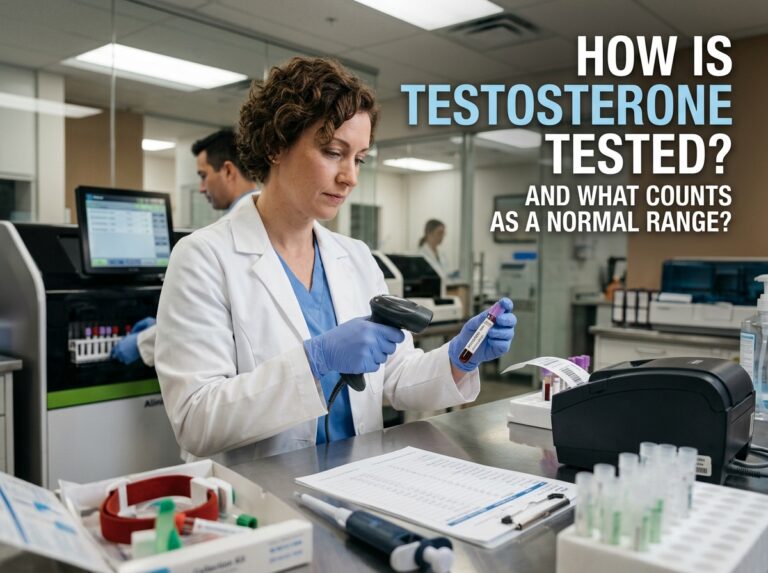
Monitoring progress through both subjective markers (energy levels, mood, libido, recovery capacity) and objective measurements provides valuable feedback on intervention effectiveness. Consider baseline testosterone testing through a qualified healthcare provider or endocrinologist, followed by retesting after 12-16 weeks of consistent lifestyle implementation. This data-driven approach enables refinement of your personalized hormone optimization strategy while demonstrating the tangible benefits of sustainable behavioral modifications.
What Lifestyle Changes Provide the Most Immediate Results?
Certain interventions yield noticeable benefits within days to weeks, making them ideal starting points for men seeking rapid improvements. Sleep optimization typically produces the most immediate subjective benefits, with many men reporting enhanced energy, mood, and mental clarity within just 7-10 days of implementing consistent sleep schedules and improved sleep hygiene. Concurrent vitamin D supplementation (particularly for those with baseline deficiency) can show measurable testosterone increases within 4-6 weeks.
Resistance training initiation triggers both acute post-workout testosterone spikes and progressive adaptations in body composition and metabolic health over subsequent weeks and months. While comprehensive body composition changes require 12-16 weeks of consistent effort, the hormonal and psychological benefits of strength training begin manifesting much sooner. Stress reduction practices like daily meditation or nature exposure often produce subjective improvements in emotional well-being and cortisol regulation within 2-3 weeks of regular practice.
- Establish consistent sleep-wake times and optimize sleep environment for 7-9 hours nightly
- Implement resistance training 3-4 times weekly focusing on compound exercises
- Consume adequate healthy fats (30-40% of calories) and optimize protein intake
- Supplement vitamin D to achieve blood levels of 40-60 ng/mL
- Practice daily stress management through meditation, nature exposure, or breathwork
- Minimize alcohol consumption to occasional use or complete elimination
- Reduce processed foods and sugar consumption in favor of whole food nutrition
- Maintain healthy body composition with body fat percentage below 20%
Frequently Asked Questions
How long does it take to see testosterone improvements from lifestyle changes?
Most men experience measurable testosterone increases within 8-12 weeks of implementing comprehensive lifestyle modifications, though some benefits like improved energy and sleep quality manifest within days. Sleep optimization and stress reduction often produce the quickest subjective improvements, while body composition changes and sustained testosterone elevation require 3-6 months of consistent effort. Individual results vary based on baseline testosterone levels, age, overall health status, and adherence to interventions.
Can lifestyle changes alone reverse clinically low testosterone or hypogonadism?
While lifestyle interventions can produce significant testosterone increases of 20-30% or more, men with clinically diagnosed hypogonadism (total testosterone below 300 ng/dL) or underlying medical conditions may require hormone replacement therapy in conjunction with lifestyle modifications. Working with an endocrinologist ensures proper diagnosis and treatment planning. That said, many men with borderline or moderately low testosterone (300-500 ng/dL) successfully restore healthy levels through dedicated lifestyle optimization alone.
What is the single most important lifestyle change for testosterone support?
Sleep quality and duration represent the most foundational intervention, as testosterone synthesis occurs predominantly during deep sleep cycles. Without adequate sleep (7-9 hours nightly), all other interventions work against a significant handicap. However, the synergistic nature of lifestyle factors means optimal results require addressing multiple areas simultaneously—sleep, resistance training, nutrition, stress management, and body composition all interact to determine overall hormonal status.
Do these lifestyle changes work for older men experiencing age-related testosterone decline?
Lifestyle interventions remain highly effective for men over 40 and beyond, though expectations should account for natural age-related changes. While younger men might achieve testosterone levels in the 700-900 ng/dL range through optimization, men over 50 may target 500-700 ng/dL. Research demonstrates that resistance training, sleep optimization, stress reduction, and proper nutrition produce meaningful testosterone improvements at any age, supporting vitality, muscle mass preservation, bone health, and metabolic function throughout the aging process.
Should I take testosterone-boosting supplements or focus only on lifestyle changes?
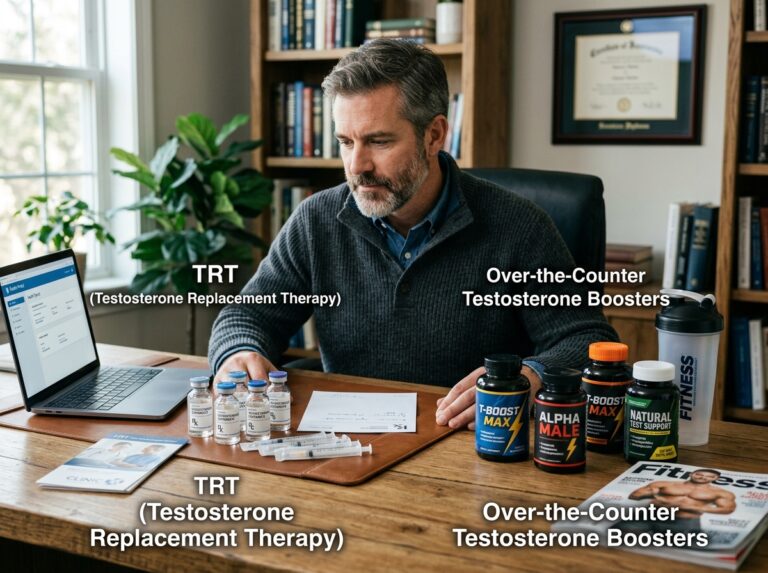
Prioritize lifestyle modifications as your foundation, then consider targeted supplementation for identified deficiencies. Vitamin D, zinc, and magnesium supplementation provide meaningful benefits when baseline levels are suboptimal, but offer minimal advantage if you’re already sufficient. Most commercial “testosterone boosters” lack robust evidence, whereas lifestyle changes consistently demonstrate effectiveness. If considering supplements beyond basic micronutrients, consult with a qualified healthcare provider to ensure safety and appropriateness for your individual situation.
How do I know if my lifestyle changes are actually improving my testosterone levels?
The most reliable approach combines subjective assessment of symptoms with objective laboratory testing. Subjectively, monitor improvements in energy levels, libido, mood, strength gains, recovery capacity, and body composition. For objective verification, obtain baseline testing of total testosterone, free testosterone, and sex hormone binding globulin before implementing changes, then retest after 12-16 weeks of consistent lifestyle modification. Ensure testing occurs at consistent times (ideally morning) under similar conditions to enable accurate comparison.
The path to optimal testosterone through lifestyle modification represents an investment in comprehensive health that extends far beyond hormonal benefits. These evidence-based strategies enhance cardiovascular health, support mental clarity and emotional well-being, preserve bone density, and promote healthy aging while naturally optimizing your body’s testosterone production. Begin implementing these changes today, prioritizing consistency over perfection, and experience the transformative power of supporting your hormones through sustainable behavioral choices. Share your experiences and questions in the comments below, and consider consulting with healthcare professionals to personalize these recommendations for your unique situation.