What Are the Signs of Low Testosterone in Men Over 40 — And When Should You Get Tested?

Low testosterone affects approximately 40% of men over 40, causing symptoms ranging from decreased energy levels to erectile dysfunction. You should get testosterone levels checked if you experience two or more persistent symptoms, including reduced libido, chronic fatigue, muscle weakness, or depressive symptoms lasting more than three months. The best time to get testosterone tested for men over 40 is between 7-10 AM when hormone production peaks, using a serum testosterone test that measures total testosterone, free testosterone, and sex hormone binding globulin (SHBG).
You’re Experiencing Low T If These Symptoms Persist

Testosterone deficiency manifests through distinct physical, sexual, and psychological changes. According to the Endocrine Society (2018), male hypogonadism diagnosis requires both consistently low serum testosterone levels below 300 ng/dL and clinical symptoms affecting quality of life. Men over 40 experience a natural testosterone decline of approximately 1-2% annually after age 30.
Key indicators include reduced sexual desire, difficulty maintaining an erection, decreased testicle size, loss of muscle mass despite exercise, increased body fat, particularly abdominal fat accumulation, and persistent fatigue unrelated to sleep quality. The signs of low testosterone in men often develop gradually, making early recognition challenging.
Physical Symptoms Checklist
- Erectile dysfunction: Difficulty achieving or maintaining erections sufficient for sexual performance
- Reduced muscle mass: Noticeable muscle weakness and decreased muscle strength despite resistance training
- Increased body fat: Weight gain concentrated in the belly fat and visceral fat areas
- Decreased bone density: Elevated fracture risk and potential osteoporosis risk
- Gynecomastia: Breast enlargement that men experience due to a hormonal imbalance
- Hair loss: Thinning hair, reduced facial hair, and body hair changes
- Testicular shrinkage: Decreased testicle size affecting sperm production
Sexual Health Indicators
Sexual dysfunction represents the most recognizable low T symptoms. Libido loss occurs when testosterone levels drop below the normal testosterone range for age. Men in their 40s typically maintain total testosterone between 300-1,000 ng/dL, with free testosterone representing 2-3% of total levels. Low sperm count and infertility issues develop when the testes receive insufficient luteinizing hormone signals from the pituitary gland.
Quick Solution: When Immediate Testing Is Warranted
Get blood test testosterone screening within one week if you experience three or more of these urgent indicators: severe erectile problems preventing sexual activity, dramatic muscle loss exceeding 10 pounds in three months, sudden onset of depressive symptoms with suicidal thoughts, or bone fractures from minimal trauma suggesting critically reduced bone density.
Schedule routine testosterone testing at age 40 as a baseline measurement, even without symptoms. Early detection of androgen deficiency enables timely intervention before irreversible changes to body composition, bone health, or metabolic syndrome development occur.
Why Low Testosterone Happens After 40

Testosterone production involves complex interactions between the hypothalamus, pituitary gland, and testes. Age-related testosterone decline results from decreased Leydig cell function in the testes (primary hypogonadism) or reduced follicle-stimulating hormone and luteinizing hormone production (secondary hypogonadism).
Primary Contributing Factors
The connection between low testosterone and belly fat creates a self-perpetuating cycle. Visceral fat contains aromatase enzymes that convert testosterone into estradiol, further depleting androgen levels. Men over 40 face increased cardiovascular disease risk, with low testosterone contributing to metabolic syndrome development. Type 2 diabetes affects testosterone production through insulin resistance mechanisms.
Sleep apnea disrupts normal hormone production rhythms, reducing overnight testosterone synthesis when levels naturally peak. Chronic stress elevates cortisol, directly inhibiting testosterone synthesis at the testicular level.
Diagnostic Testing: Understanding Your Results
A comprehensive hormone panel for men over 40 includes total testosterone, free testosterone, bioavailable testosterone, SHBG, estradiol, luteinizing hormone, follicle-stimulating hormone, and prolactin. Additional markers like prostate-specific antigen (PSA), hematocrit, and hemoglobin establish safety baselines before considering testosterone replacement therapy.
How to Read Testosterone Test Results for Men
| Measurement | Normal Range (40-49 years) | Low Testosterone Threshold |
|---|---|---|
| Total Testosterone | 300-1,000 ng/dL | Below 300 ng/dL |
| Free Testosterone | 5-25 ng/dL | Below 5 ng/dL |
| Bioavailable Testosterone | 130-680 ng/dL | Below 130 ng/dL |
| SHBG | 10-57 nmol/L | Varies by context |
What is the difference between total and free testosterone? Total testosterone measures both protein-bound and unbound hormone, while free testosterone represents the biologically active fraction available to tissues. Free testosterone vs total testosterone, which is more important, depends on clinical context, though many endocrinologists consider free testosterone more clinically relevant for symptom correlation.
Solution #1: Basic Testosterone Testing Protocol
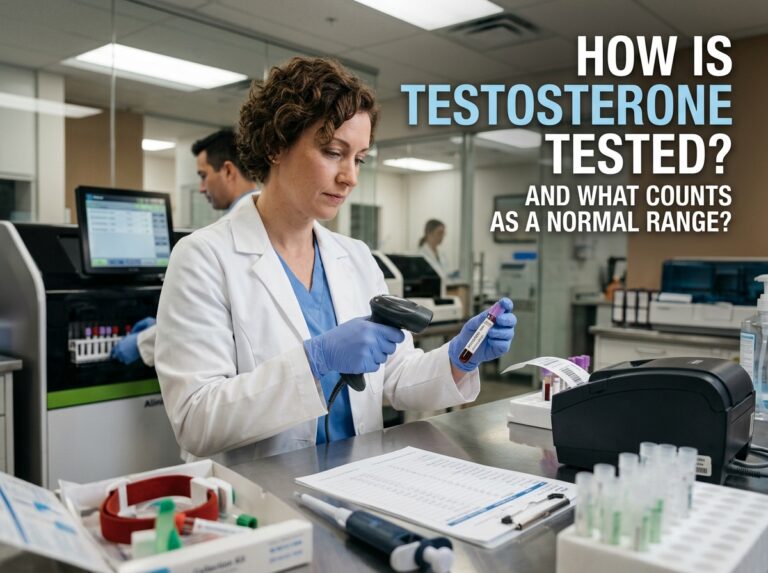
How to prepare for a testosterone blood test requires specific timing and conditions. Fast for 8-12 hours before lab work, schedule between 7-10 AM when male hormone levels peak naturally, and avoid intense exercise 24 hours prior. The best time of day for testosterone testing is early morning, as testosterone follows circadian rhythms with 30% higher levels at 8 AM versus 8 PM.
Average testosterone levels for men in their 40s range from 400-600 ng/dL, though significant individual variation exists. Repeat testing confirms the diagnosis, as single measurements may reflect temporary fluctuations from illness, stress, or inadequate sleep quality.
What Other Hormones Should Be Tested With Testosterone
Should I test estrogen with testosterone levels? Yes. The importance of SHBG testing with testosterone lies in calculating free testosterone accurately. High SHBG binds more testosterone, reducing bioavailable fractions despite normal total levels. Estradiol measurement identifies excessive aromatization contributing to gynecomastia and mood disorders.
Solution #2: Comprehensive Hormone Evaluation
At what age should men get testosterone levels checked extends beyond initial screening. How often men over 40 should test their testosterone levels depends on results: annually if normal, every 3-6 months if borderline (300-400 ng/dL), and every 6-12 weeks during testosterone replacement therapy.
Comprehensive assessment examines thyroid function (TSH, free T3, free T4), cortisol awakening response, vitamin D levels, and complete metabolic panel. The relationship between low testosterone and erectile dysfunction often involves multiple hormonal factors requiring broad evaluation.
Solution #3: Specialist Consultation Pathways
The doctor’s treatment of low testosterone in men depends on the complexity. The primary care physician handles initial screening and straightforward cases. When to see a doctor about low testosterone symptoms occurs when persistent issues affect daily functioning despite normal age-related changes.
Urologist vs Endocrinologist for Testosterone Treatment
A urologist specializes in male reproductive system disorders, addressing concurrent erectile function problems, infertility issues, and prostate health monitoring. Do I need to see an endocrinologist for low testosterone? Referral to an endocrinologist becomes necessary for secondary hypogonadism involving pituitary gland disorders, complex cases with metabolic syndrome or type 2 diabetes, or patients requiring advanced hormone regulation.
Advanced Considerations: Treatment Options
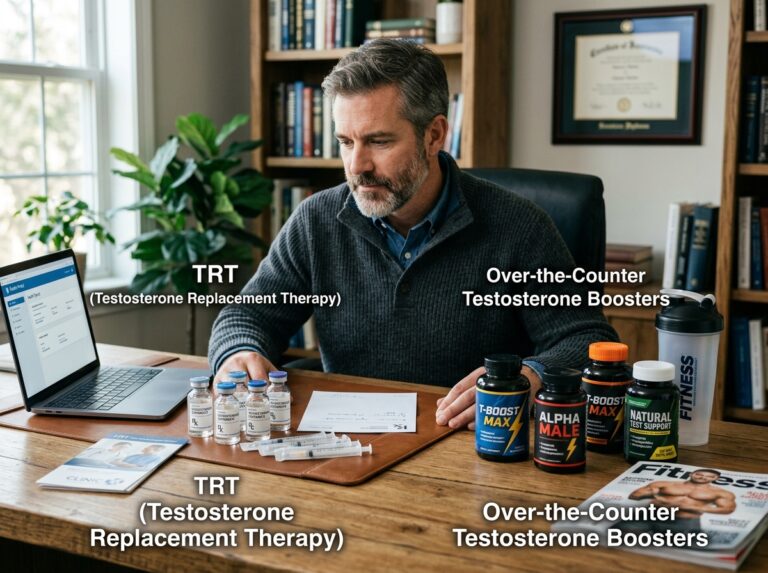
Benefits of testosterone replacement therapy for men over 40 include improved muscle mass, reduced body fat, enhanced bone density, increased energy levels, better mood stability, and restored sexual health. TRT treatment modalities include testosterone gel (daily application), testosterone injection (weekly or biweekly), testosterone patch (nightly application), and testosterone pellet (inserted every 3-6 months).
Alternative Therapies
Clomiphene citrate stimulates natural testosterone production by blocking estrogen receptors in the hypothalamus, increasing luteinizing hormone release. Human chorionic gonadotropin (HCG) mimics luteinizing hormone, preserving testicular function and fertility during therapy. Aromatase inhibitors reduce testosterone conversion to estradiol in patients with excessive aromatization.
Risks of Testosterone Therapy in Middle-Aged Men
According to the FDA (2015), testosterone therapy requires monitoring for prostate cancer through PSA testing every 6-12 months. Elevated hematocrit above 54% increases cardiovascular disease risk through blood viscosity changes. Can low testosterone cause depression in men? Yes, though testosterone therapy rarely resolves severe clinical depression without concurrent mental health treatment.
Prevention: Maintaining Healthy Testosterone After 40
Natural ways to increase testosterone in men over 40 focus on modifiable lifestyle factors. Resistance training maintains muscle-building stimulus that supports hormone production. Sleep quality improvement, targeting 7-9 hours nightly, optimizes overnight testosterone synthesis when levels naturally regenerate.
Lifestyle Modifications
- Weight management: Reducing belly fat by 5-10% can increase testosterone 50-100 ng/dL
- Stress reduction: Chronic stress management through meditation decreases cortisol interference
- Nutrition optimization: Adequate zinc (11 mg daily), vitamin D (2,000-4,000 IU), and healthy fats support androgen production
- Alcohol limitation: Restricting intake to ≤7 drinks weekly prevents suppressive effects on testes
- Medication review: Certain drugs, including opioids and glucocorticoids, reduce testosterone production
When to Take Action: Decision Framework
Differences between normal aging and low testosterone require clinical assessment. Normal age-related testosterone decline produces gradual changes without severe symptoms. Hypogonadism causes rapid symptom onset, multiple concurrent symptoms, and testosterone levels consistently below 300 ng/dL on repeated morning testing.
Should I get my testosterone checked at age 40? Yes, for baseline establishment. What level of testosterone requires treatment in men combines lab values below 300 ng/dL with clinically significant symptoms affecting physical performance, sexual function, or mental health. Signs you need testosterone therapy after 40 include laboratory-confirmed deficiency plus symptom improvement trials with conservative interventions.
How Much Does Testosterone Testing Cost for Men
Where to get testosterone levels checked near me includes primary care offices, endocrinology clinics, men’s health centers, and commercial laboratories. Insurance typically covers diagnostic testing with documented symptoms, with out-of-pocket costs ranging $50-200 for comprehensive panels at Quest Diagnostics or LabCorp facilities.
What is considered low testosterone for a 40-year-old man requires contextual interpretation. Total testosterone below 300 ng/dL with symptoms warrants treatment consideration, while levels 300-400 ng/dL represent borderline status requiring symptom assessment and repeat testing. How do I know if I need testosterone replacement depends on symptom severity, baseline values, response to lifestyle modifications, and individual health goals balanced against therapy risks.