What Are the Signs of Low Testosterone in Men Over 40? Understanding Androgen Deficiency Symptoms

Low testosterone, clinically termed hypogonadism or androgen deficiency, is a condition where the testes produce insufficient testosterone to maintain normal physiological functions in men. According to the American Urological Association (as of 2025), testosterone levels below 300 nanograms per deciliter (ng/dL) combined with clinical symptoms indicate hypogonadism requiring evaluation. Men over 40 experience natural testosterone production decline at approximately 1-2% annually, but pathological deficiency presents distinct warning signs beyond normal aging.
Why Recognizing Low Testosterone Symptoms After 40 Matters

Testosterone deficiency syndrome affects an estimated 20-30% of men over 40, yet remains underdiagnosed because symptoms overlap with normal hormonal aging. The hormone regulates sexual health, muscle mass, bone density, mood, and metabolic function. Untreated hypogonadism increases risk for osteoporosis, metabolic syndrome, type 2 diabetes, cardiovascular disease, and depression. Early recognition enables intervention through testosterone replacement therapy (TRT) or addressing reversible causes like obesity, sleep apnea, or medications that lower testosterone production.
Common Physical Signs of Low Testosterone in Men Over 40

Sexual Symptoms of Testosterone Deficiency
Sexual dysfunction represents the most recognizable early sign of low testosterone in middle-aged men. Decreased libido or reduced sex drive typically appears first, followed by erectile dysfunction (ED) and difficulty maintaining erection. Unlike erectile problems from vascular causes alone, testosterone-related ED combines with diminished sexual interest. The Endocrine Society identifies reduced spontaneous erections (particularly morning erections) as a hallmark symptom. Low sperm production and reduced fertility may occur in severe cases, though this affects younger hypogonadal men more significantly than those over 40.
Muscle and Body Composition Changes
Decreased muscle mass and muscle weakness develop gradually as testosterone’s anabolic effects diminish. Men over 40 with low T experience loss of strength despite maintained exercise routines, alongside increased belly fat and weight gain concentrated in the abdominal region. Fat accumulation occurs because testosterone regulates body composition by promoting lean tissue and limiting adipose storage. This creates a harmful cycle—obesity itself suppresses testosterone through increased aromatase enzyme activity converting testosterone to estradiol. Physical decline includes reduced stamina, decreased endurance, and slower recovery from workouts.
Energy and Vitality Decline
Chronic fatigue and persistent tiredness unrelated to sleep quality characterize testosterone deficiency after 40. This differs from temporary exhaustion—men describe profound lack of motivation, reduced competitive drive, and diminished confidence affecting work and personal life. Hot flashes and night sweats, traditionally associated with female menopause, affect approximately 10-20% of hypogonadal men. Sleep disturbances often worsen fatigue, creating diagnostic complexity when sleep apnea simultaneously lowers testosterone levels.
Emotional and Cognitive Symptoms of Low T
Mood Changes and Mental Health
Depression symptoms, anxiety symptoms, irritability, and mood swings represent significant yet overlooked signs of low testosterone in men over 40. Studies published between 2020-2024 demonstrate bidirectional relationships—hypogonadism increases depression risk, while major depressive disorder may suppress gonadal function. Brain fog, memory problems, and concentration difficulties manifest as reduced mental clarity affecting decision-making and professional performance. Unlike primary psychiatric conditions, testosterone-related mood changes often improve with hormone optimization when other symptoms co-exist.
How Testosterone Production Works: Understanding the Decline
The hypothalamic-pituitary-gonadal axis controls testosterone synthesis through a feedback loop. The hypothalamus secretes gonadotropin-releasing hormone (GnRH), triggering the pituitary gland to release luteinizing hormone (LH) and follicle-stimulating hormone (FSH). LH stimulates Leydig cells in the testes to produce testosterone. Primary hypogonadism indicates testicular failure; secondary hypogonadism reflects hypothalamus or pituitary dysfunction. Age-related testosterone decline combines reduced Leydig cell function with decreased GnRH pulse frequency. Sex hormone binding globulin (SHBG) increases with age, reducing free testosterone—the biologically active fraction—even when total testosterone appears normal.
Diagnostic Criteria: How to Test for Low Testosterone After 40
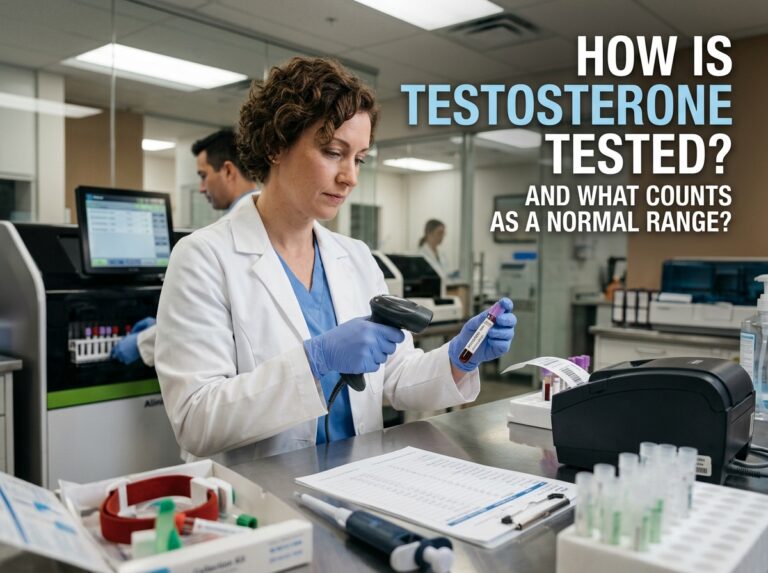
Proper hormonal assessment requires morning blood draws (7-11 AM) measuring total testosterone, free testosterone, and bioavailable testosterone on two separate occasions. The FDA and Endocrine Society recommend confirming low values before treatment. Total testosterone below 300 ng/dL indicates deficiency; 300-400 ng/dL represents the gray zone requiring symptom assessment. Free testosterone measurement accounts for SHBG binding. Comprehensive hormonal evaluation includes LH, FSH, estradiol, prolactin, and thyroid function. Prostate-specific antigen (PSA) testing screens for prostate disease before initiating TRT. Urologists or endocrinologists interpret results considering clinical symptoms, not laboratory values alone.
Low Testosterone vs. Normal Aging: Critical Distinctions
Natural testosterone decline differs from clinical hypogonadism. Normal aging produces gradual changes; pathological deficiency causes pronounced symptoms affecting quality of life. Men experiencing normal age-related decline maintain testosterone above 300 ng/dL with mild symptoms manageable through lifestyle optimization. Hypogonadism presents multiple concurrent symptoms: sexual dysfunction plus metabolic changes plus mood disturbances. The term “andropause” or “male menopause” misleads—unlike female menopause, male hormonal decline lacks abrupt onset and affects only a subset of aging men.
Common Misconceptions About Testosterone Deficiency
Myth: All Men Over 40 Need Testosterone Therapy
Reality: Only symptomatic men with biochemical hypogonadism (confirmed low levels) benefit from testosterone replacement therapy. Lifestyle factors affecting testosterone after 40—including obesity, poor sleep, chronic stress, and sedentary behavior—should be addressed first. The American Urological Association warns against treating aging symptoms alone without documented deficiency.
Myth: Testosterone Therapy Causes Prostate Cancer
Reality: Current evidence (as of 2025) shows TRT does not increase prostate cancer risk in men without pre-existing disease. However, testosterone can stimulate existing prostate cancer growth, necessitating PSA screening and digital rectal examination before treatment.
Myth: Symptoms Always Indicate Low Testosterone
Reality: Medical conditions causing low testosterone over 40 include chronic kidney disease, HIV/AIDS, opioid use, and pituitary tumors. Depression, anemia symptoms, and thyroid disorders mimic hypogonadal symptoms. Comprehensive medical evaluation distinguishes testosterone deficiency from other endocrine dysfunction.
When to See a Doctor for Low Testosterone Symptoms
Men over 40 should consult a urologist or endocrinologist when experiencing three or more concurrent symptoms: erectile dysfunction combined with decreased sexual interest, unexplained muscle loss with increased abdominal fat, persistent fatigue despite adequate sleep, mood changes affecting daily function, or reduced bone density discovered through imaging. Warning signs requiring immediate evaluation include testicular shrinkage, breast enlargement in men (gynecomastia), sudden testosterone decline, or symptoms appearing before age 50. Annual screening isn’t recommended for asymptomatic men; testing targets those with clinical suspicion.
Practical Applications: Treatment Considerations for Men Over 40
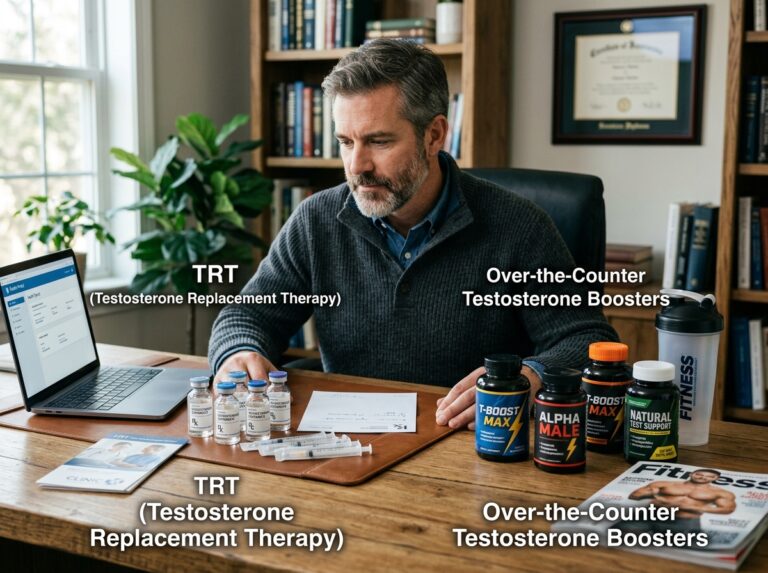
Testosterone restoration options include testosterone gel (daily application), testosterone injection (weekly to biweekly), testosterone patch (daily), and testosterone pellet (implanted every 3-6 months). Clomiphene citrate and human chorionic gonadotropin (HCG) preserve fertility by stimulating endogenous production rather than replacing exogenous hormone. Benefits of treating low testosterone over 40 include improved sexual function, increased muscle strength, enhanced mood, better bone density, and reduced cardiovascular risk in deficient men. Treatment requires monitoring testosterone levels, hematocrit (risk of polycythemia), PSA, and symptom response every 3-6 months. Dihydrotestosterone (DHT) conversion and aromatization to estradiol necessitate managing side effects in some patients.
Lifestyle factors—addressing obesity and low testosterone, treating diabetes and testosterone deficiency, managing sleep apnea and low testosterone symptoms, reducing chronic stress, and implementing resistance training—enhance treatment outcomes and may restore levels in men with reversible causes of low testosterone over 40.