How to Get Your Testosterone Tested: 7-Step Guide
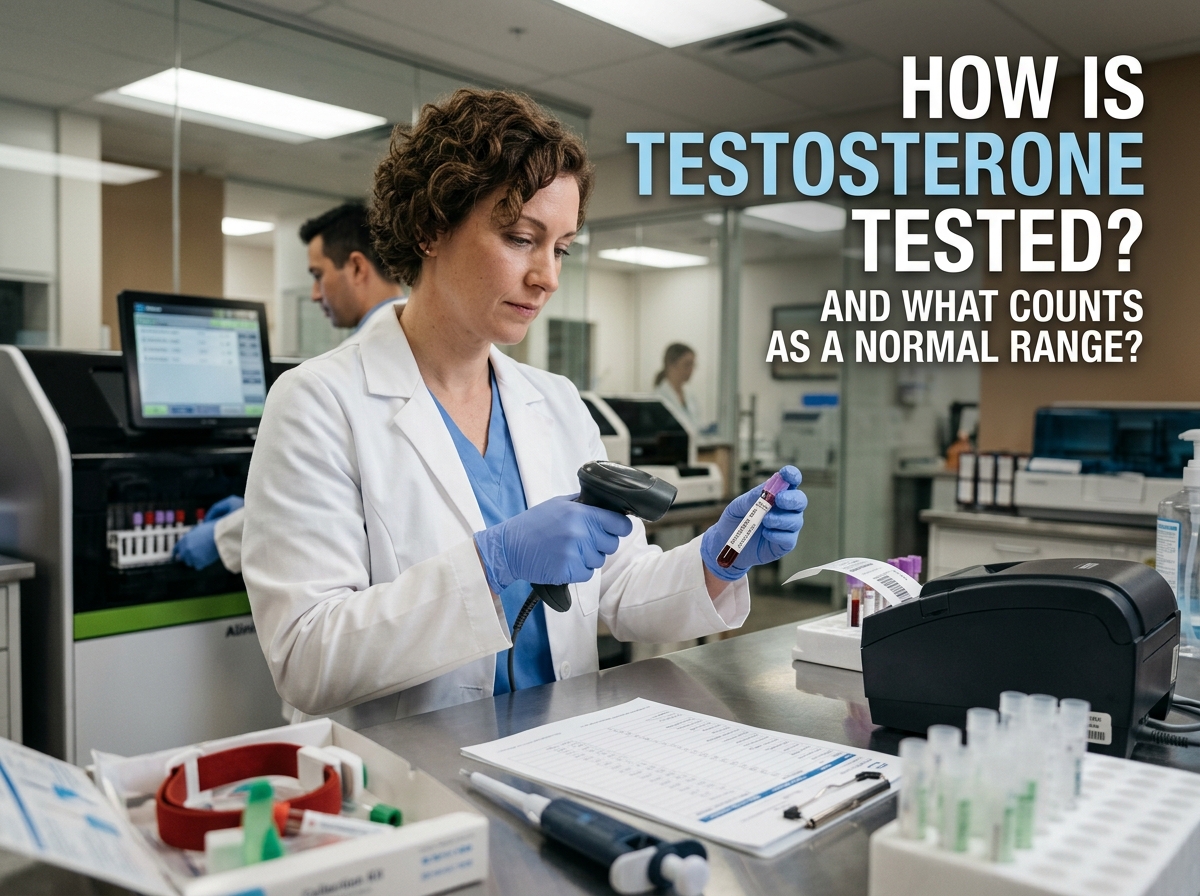
Outcome: Follow this guide to accurately test your testosterone levels and receive interpretable lab results within 1-2 weeks. Skill level: Beginner. Time required: 15-30 minutes for the blood draw, plus 2-5 business days for results.
Testosterone is the primary male sex hormone that regulates muscle mass, libido, bone density, and mood. A blood test measuring serum testosterone is the only reliable way to diagnose testosterone deficiency or confirm normal function. This guide walks you through the exact process labs like LabCorp and Quest Diagnostics use to test and report results.
Before You Begin: Prerequisites Checklist

- ✅ Schedule an appointment before 10 a.m. (testosterone follows a circadian rhythm and peaks in early morning)
- ✅ Fast for 8-12 hours if your panel includes glucose or lipids (testosterone itself doesn’t require fasting, but many labs combine panels)
- ✅ Avoid biotin supplements 48 hours prior (they can skew immunoassay results)
- ✅ Bring a list of current medications for your physician or endocrinologist
- ✅ Confirm insurance coverage or ask about testosterone level test cost (typically $40-$200 without insurance)
Step 1: Recognize Low Testosterone Symptoms and When to Test

Low testosterone symptoms include fatigue, reduced libido, erectile dysfunction, depression, and loss of muscle mass. According to the Endocrine Society (2018), men experiencing three or more of these symptoms should request testing. Women can also experience hormone imbalance testing needs, particularly during perimenopause, though normal ranges differ significantly by sex.
Symptoms of Low Testosterone and When to Get Tested
- Decreased sex drive lasting more than 3 months
- Unexplained fatigue despite adequate sleep
- Loss of muscle mass or increased body fat
- Mood changes, including irritability or depression
- Difficulty concentrating (“brain fog”)
Step 2: Schedule Your Morning Testosterone Test
The best time to get testosterone levels checked is between 7 a.m. and 10 a.m. Testosterone levels can drop by 20-30% by late afternoon due to natural testosterone fluctuation. A morning testosterone test ensures your result reflects peak physiological output, not a temporary dip.
Sub-step: Book With the Right Provider
Request an order from your primary care physician or an endocrinologist—a specialist in hormone disorders. If levels are borderline, an endocrinologist will run additional tests including Luteinizing Hormone (LH), FSH (follicle-stimulating hormone), prolactin, and cortisol to pinpoint the cause.
Step 3: Prepare for Your Testosterone Blood Draw
Testosterone test preparation is straightforward but detail matters:
- Sleep at least 7 hours the night before (sleep deprivation lowers testosterone by up to 15%, per a 2011 JAMA study)
- Avoid strenuous exercise 24 hours prior
- Skip alcohol for 24 hours before the draw
- Continue prescribed medications unless your doctor advises otherwise
Step 4: Choose the Right Testosterone Test Type
Understanding what does a testosterone test measure exactly starts with knowing the three primary categories:
Total Testosterone
Total Testosterone measures all testosterone in your blood—both bound and unbound. This is the standard first-line low T test.
Free Testosterone
Free Testosterone measures only the unbound, biologically active hormone (roughly 1-4% of total). This is critical for men with abnormal Sex Hormone Binding Globulin (SHBG) levels.
Bioavailable Testosterone
Bioavailable Testosterone includes free testosterone plus testosterone loosely bound to albumin—representing hormone your body can actually use. The free androgen index is a calculated ratio (Total Testosterone/SHBG × 100) sometimes used as a proxy.
Difference Between Total and Free Testosterone Test
The key difference between total and free testosterone test results lies in binding: Total includes testosterone attached to SHBG and albumin, while Free isolates only unbound hormone. Men with thyroid disorders or obesity often need both tests since SHBG levels alter the ratio.
Step 5: Get Your Blood Drawn and Analyzed
Labs use one of two testosterone testing procedure methods:
- Immunoassay: Faster, cheaper, used for routine screening but less precise at low levels
- Mass Spectrometry: Gold-standard accuracy, recommended by the Endocrine Society (2018) for confirming hypogonadism diagnosis
Major providers like LabCorp and Quest Diagnostics offer both methods. If your result is borderline, request mass spectrometry confirmation for better testosterone test accuracy.
How Accurate Are At-Home Testosterone Tests?
At-home finger-prick kits use immunoassay technology and show 10-20% variance compared to venous blood test results, according to a 2020 Journal of Clinical Endocrinology review. Use them for initial screening only—confirm any abnormal result with a certified lab.
Step 6: Interpret Your Testosterone Lab Results
Understanding testosterone lab results interpretation requires knowing your reference range, which varies by lab, age, and units (testosterone units ng/dL in the U.S. vs. testosterone nmol/L conversion elsewhere; multiply ng/dL by 0.0347 to get nmol/L).
Normal Testosterone Levels by Age Chart
| Age Group | Total Testosterone (ng/dL) | Free Testosterone (pg/mL) |
|---|---|---|
| 19-39 years | 264-916 | 8.7-25.1 |
| 40-59 years | 200-800 | 7.2-24.0 |
| 60+ years | 156-700 | 6.6-18.1 |
Source: American Urological Association (2022) Low Testosterone Guidelines
Normal Testosterone Levels for Women Explained
Normal total testosterone in adult women ranges from 15-70 ng/dL—roughly 10-20 times lower than male ranges. Elevated levels in women may indicate polycystic ovary syndrome (PCOS) and warrant evaluation alongside estradiol testing.
What Is Considered Low Testosterone in Men?
The American Urological Association (2022) defines low testosterone as total testosterone below 300 ng/dL, confirmed on two separate morning tests. This threshold is the clinical cutoff for diagnosing testosterone deficiency syndrome.
High Testosterone: What It Means
High testosterone (above 950-1000 ng/dL) may indicate anabolic steroid use, adrenal tumors, or testicular tumors, and warrants further evaluation by an endocrinologist.
For a detailed breakdown of age-specific benchmarks and lab-specific variations, review this comprehensive testosterone level test range resource before discussing results with your physician.
Step 7: Follow Up on Abnormal Results
If your total testosterone falls below 300 ng/dL on two morning tests, your doctor will likely order a follow-up hormone panel test including:
- LH and FSH: Determine whether the issue originates in the pituitary gland (secondary hypogonadism) or the testes (primary hypogonadism)
- SHBG: Calculates accurate free testosterone via the free androgen index
- Prolactin: Rules out pituitary tumors
- Estradiol: Assesses estrogen conversion, especially relevant before starting testosterone replacement therapy
Troubleshooting Common Testing Issues
- If your result seems too low for your symptoms → request a repeat morning test; single-sample fluctuation is common.
- If you tested in the afternoon → retest in the morning before drawing conclusions, since afternoon testosterone fluctuation can lower readings by 20-30%.
- If your total testosterone is normal but symptoms persist → request a free testosterone test, since SHBG abnormalities can mask deficiency.
- If you used an at-home kit with an abnormal result → confirm with venous blood draw at LabCorp or Quest Diagnostics.
- If results vary between labs → use the same lab and same time of day for repeat testing to reduce variability.
How Often Should You Test Testosterone Levels?
For men on testosterone replacement therapy, retest every 3-6 months to monitor dosing. For men with normal baseline results and no symptoms, annual testing after age 40 is reasonable, per Endocrine Society (2018) guidance on andropause monitoring.
Next Steps
- Schedule your morning blood draw within the next 7 days
- Request both Total and Free Testosterone panels if symptoms are present
- Bring results to an endocrinologist if total testosterone is below 300 ng/dL
- Avoid starting any testosterone booster supplement before confirming lab-diagnosed deficiency
- Discuss testosterone replacement therapy options only after two confirmed low readings
Accurate testing is the foundation of any treatment decision. Skipping proper preparation or testing at the wrong time of day remains the most common cause of misleading male hormone levels results.