What Is a Men’s Health Clinic? A Direct Definition


A men’s health clinic is a specialized medical facility focused exclusively on male-specific conditions like low testosterone, erectile dysfunction, and prostate health. Unlike a primary care physician (PCP), who manages general wellness across all body systems, a men’s health specialist concentrates on hormone imbalance treatment, sexual health, and related chronic conditions. This guide explains how a men’s health clinic differs from your family medicine doctor and when to choose each.
Men’s health clinics have expanded rapidly in the United States, with the American Urological Association (AUA, 2023) reporting a 34% increase in dedicated men’s health facilities since 2018. This growth reflects rising demand for focused, efficient care that addresses testosterone deficiency, fertility, and sexual dysfunction without the scheduling delays common in general practice.
Why the Difference Between Men’s Health Clinics and Primary Care Matters

Choosing the right doctor for men affects diagnosis speed, treatment specificity, and long-term outcomes. According to the American Urological Association (2023), nearly 40% of men over age 45 experience some degree of erectile dysfunction, yet many delay care due to confusion about where to go. A primary care physician typically handles the annual physical exam and preventive care, while a men’s health clinic offers targeted, specialized men’s health care for conditions PCPs may refer out. Understanding this distinction helps men access appropriate treatment faster and avoid unnecessary appointment delays.
Delayed treatment carries measurable costs. The Cleveland Clinic (2022) notes that men who wait more than 12 months to address low testosterone symptoms report higher rates of depression, weight gain, and cardiovascular risk factors. Knowing which provider to contact first shortens the diagnostic timeline and reduces the number of appointments needed to reach an effective treatment plan.
Key Characteristics of Primary Care Physicians vs Men’s Health Clinics
1. Scope of Practice
A family medicine doctor or internal medicine physician provides general practitioner services: routine checkups, vaccinations, and chronic disease management for conditions like diabetes or hypertension. A men’s health clinic narrows its scope to testosterone replacement therapy, erectile dysfunction treatment, and fertility specialist referrals. For example, a PCP may manage a patient’s blood pressure medication for years, while a men’s health clinic focuses a single visit entirely on optimizing hormone levels.
2. Diagnostic Depth
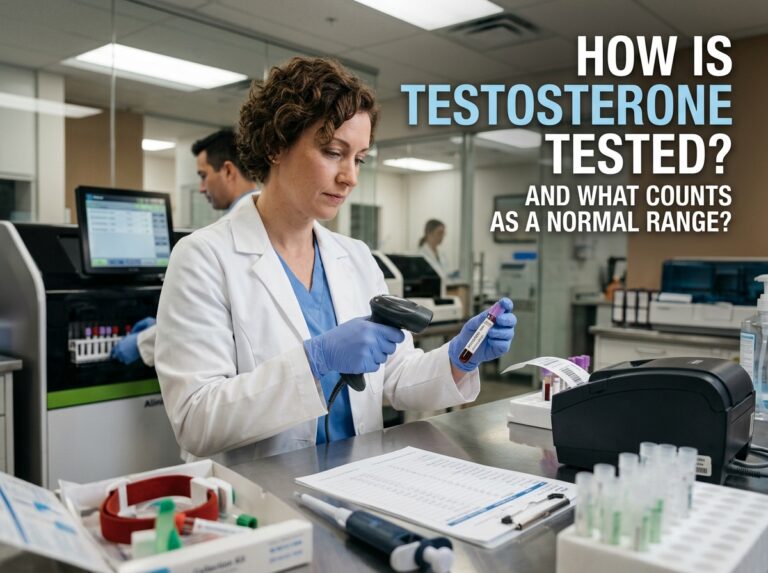
PCPs conduct broad preventive health screenings, including cardiovascular screening and basic bloodwork. Men’s health clinics perform comprehensive health assessments specifically targeting hormone panels, testosterone levels, and prostate health markers. A typical men’s health clinic panel measures total and free testosterone, luteinizing hormone (LH), sex hormone-binding globulin (SHBG), and prostate-specific antigen (PSA), whereas a standard PCP physical may only include a basic metabolic panel.
3. Treatment Specialization
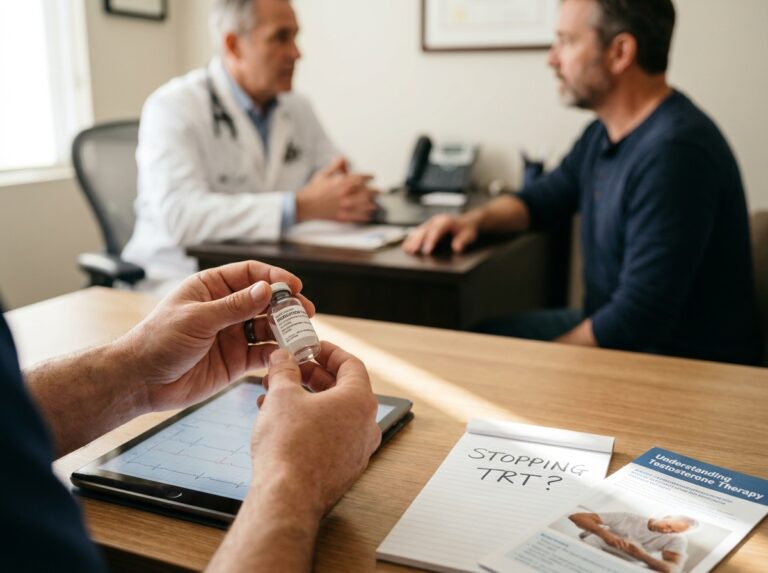
Hormone therapy and testosterone therapy clinic protocols require ongoing monitoring that many general practitioners are not equipped to manage in-depth. A urologist or endocrinologist within a men’s health clinic setting offers personalized treatment plans built around hormone replacement therapy benefits and risk management. This includes dose titration every 6-8 weeks during the initial phase, followed by quarterly monitoring once levels stabilize.
4. Appointment Focus
A men’s wellness exam at a specialized clinic dedicates the entire visit to male-specific concerns, whereas a PCP visit typically covers multiple health topics in a single 15-20 minute session. This means men’s health clinic appointments often run 30-60 minutes, allowing time for detailed symptom review and shared decision-making about treatment options.
5. Referral Pathways
Primary care doctors often provide a specialist referral to a urologist, endocrinologist, or sexual health clinic when symptoms exceed general practice capabilities. In integrated health systems, this referral can happen electronically within days; in smaller practices, it may take several weeks to secure a specialist appointment.
How a Men’s Health Clinic Visit Works: Step-by-Step
- Initial Consultation: Patient describes symptoms such as low testosterone symptoms (fatigue, low libido, mood changes).
- Comprehensive Health Assessment: Bloodwork measures testosterone, thyroid function, and metabolic markers.
- Specialist Diagnosis: A men’s health specialist, sometimes an endocrinologist or urologist, interprets results against clinical thresholds, typically defining low testosterone as total testosterone below 300 ng/dL according to the Endocrine Society (2018).
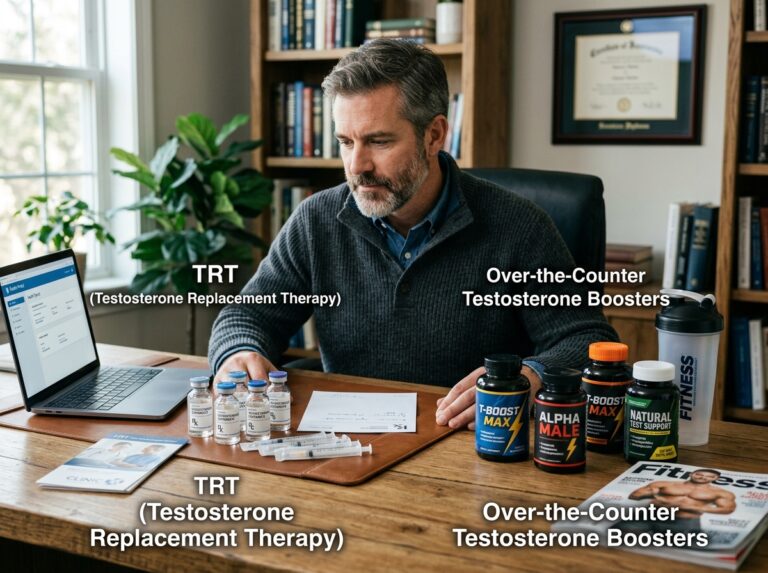
- Personalized Treatment Plan: Options may include testosterone replacement therapy, erectile dysfunction treatment, or a weight management program.
- Ongoing Monitoring: Follow-up visits track hormone levels and adjust dosing, often supported by telehealth check-ins every 4-12 weeks depending on treatment phase.
How a Primary Care Physician Visit Works: Step-by-Step
- Annual Wellness Visit: PCP conducts an annual physical exam covering weight, blood pressure, and general health history.
- Preventive Health Screenings: Includes cardiovascular screening, cholesterol tests, and cancer screenings by age, such as colonoscopy starting at age 45 per current guidelines.
- Symptom Evaluation: If symptoms suggest hormone imbalance or urological concerns, the PCP performs initial bloodwork.
- Referral Decision: Based on findings, the PCP may issue a specialist referral to a men’s health clinic, urologist, or mental health services provider.
- Chronic Disease Management: For ongoing conditions like diabetes, the PCP continues long-term oversight, typically scheduling follow-ups every 3-6 months.
Common Misconceptions About Men’s Health Clinics vs Primary Care
Myth: A men’s health clinic replaces your primary care doctor.
Reality: Men’s health clinics complement, not replace, primary care services. Most patients maintain both a PCP for general health and a men’s health specialist for targeted concerns. A PCP still monitors cardiovascular health, cancer screening schedules, and vaccinations that fall outside a men’s health clinic’s scope.
Myth: Only older men need a men’s health clinic.
Reality: Low testosterone symptoms and erectile dysfunction causes can affect men in their 30s due to stress, obesity, or medication side effects. Clinical data from the Massachusetts Male Aging Study shows testosterone decline can begin as early as age 30, at a rate of roughly 1-2% per year.
Myth: General practitioners can fully manage hormone therapy.
Reality: While a family medicine doctor can order initial tests, ongoing testosterone replacement therapy typically requires specialized monitoring from an endocrinologist or men’s health clinic, including periodic hematocrit and PSA checks to manage treatment risks.
Myth: Men’s health clinics aren’t covered by insurance.
Reality: Health insurance coverage for men’s health clinic services varies by plan, but many major insurers cover diagnostic testing and treatment when medically necessary, similar to specialist visits. Out-of-pocket costs are more common for elective services, such as certain wellness supplements not classified as medical treatment.
Men’s Health Clinic vs Primary Care Physician: Side-by-Side Comparison
| Feature | Primary Care Physician | Men’s Health Clinic |
|---|---|---|
| Primary Focus | General wellness, preventive care | Male-specific conditions |
| Common Services | Annual physical exam, chronic disease management | Testosterone replacement therapy, erectile dysfunction treatment |
| Specialist Type | Family medicine doctor, internal medicine | Urologist, endocrinologist |
| Hormone Expertise | Limited; may order initial tests | Extensive; ongoing hormone therapy management |
| Visit Length | 15-20 minutes, broad topics | 30-60 minutes, focused topics |
| Fertility Support | Referral only | Direct access to fertility specialist |
| Typical Follow-Up Interval | Every 3-6 months for chronic conditions | Every 6-12 weeks during active hormone therapy |
Practical Applications: What Does a Men’s Health Clinic Treat?
A men’s health clinic treats low testosterone, erectile dysfunction, prostate health concerns, and fertility issues. Specific conditions include:
- Hormone imbalance treatment for symptoms like fatigue and low libido
- Erectile dysfunction causes ranging from vascular disease to psychological factors
- Weight management program integration with hormone optimization
- Sexual health clinic services including STI screening
- Mental health services addressing depression linked to low testosterone
- Prostate health monitoring, including PSA trend tracking for men over 50
- Male infertility evaluation, including semen analysis and sperm count assessment
When to See a Specialist Instead of a Primary Care Doctor
Consult a men’s health specialist when symptoms persist despite normal PCP bloodwork, or when a urology consultation is needed for prostate-specific concerns. A urologist typically manages structural or anatomical issues, while an endocrinologist focuses on hormone imbalance treatment. For instance, a man with normal testosterone but persistent erectile dysfunction may need a vascular workup only a urologist can perform.
Difference Between Urologist and Primary Care Physician for Men
A urologist specializes in the male reproductive and urinary systems, performing procedures a general practitioner cannot, such as prostate biopsies or vasectomies. A PCP manages overall health but refers complex urological cases, such as advanced prostate health screening or elevated PSA follow-up, to a urologist.
How to Choose Between a Men’s Health Clinic and PCP
Choose a PCP for routine checkup vs specialist needs like blood pressure monitoring or vaccinations. Choose a men’s health clinic when addressing testosterone, sexual function, or fertility concerns requiring a holistic health approach. For a detailed breakdown of men’s clinic vs primary care services, patients can compare specific treatment offerings before scheduling.
Men’s Health Clinic Appointment: What to Expect
Expect a comprehensive health assessment, hormone panel bloodwork, and a personalized treatment plan discussion. Many clinics now offer telehealth options for follow-up consultations, reducing the need for in-person visits after initial diagnosis. First visits often include a symptom questionnaire, such as the Androgen Deficiency in Aging Males (ADAM) scale, to standardize initial evaluation.
Frequently Asked Questions
Is a Men’s Health Clinic Covered by Insurance?
Health insurance coverage often includes men’s health clinic visits when billed as specialist care, though coverage for testosterone therapy clinic services varies. Patients should verify coverage details with their provider before starting hormone replacement therapy, since some plans require prior authorization for testosterone medications.
Do I Need a Referral to See a Men’s Health Specialist?
Referral requirements depend on insurance type. Health maintenance organization (HMO) plans typically require a PCP referral before seeing a men’s health specialist, while preferred provider organization (PPO) plans often allow direct self-referral to a men’s health clinic.
Can I Use Telehealth for Men’s Health Clinic Visits?
Yes. Many men’s health clinics offer telehealth for follow-up bloodwork review, dosage adjustments, and symptom check-ins, though initial diagnostic bloodwork typically requires an in-person or local lab visit.
Bottom Line: Men’s Health Clinic vs Primary Care Doctor
A primary care physician remains essential for preventive care, annual physical exams, and chronic disease management. A men’s health clinic provides specialized men’s health care for testosterone, erectile dysfunction, and fertility concerns that general practitioners typically refer out. Most men benefit from maintaining both relationships as part of a comprehensive, long-term wellness strategy.