How to Choose a Men’s Health Clinic in Indiana: 7-Step Guide

Choosing a men’s health clinic in Indiana takes 1–2 weeks and requires no medical expertise—just a systematic approach. This beginner-friendly guide walks you through verifying credentials, comparing costs, and selecting between testosterone therapy, erectile dysfunction treatment, or urology specialists across Indianapolis, Fort Wayne, Evansville, Bloomington, and Carmel. By the end of this guide, you will have a shortlist of vetted clinics, a clear understanding of your payment options, and a booked consultation appointment.
Indiana residents have more men’s health clinic options today than at any point in the last decade, according to the Indiana State Medical Association (2024). This growth means more choice, but also more due diligence before you commit to a provider who will manage sensitive conditions like low testosterone or fertility concerns.
Before You Begin: Prerequisites Checklist

Gather these items before starting your search to save time and avoid delays.
- Insurance card: Note your provider name (private insurance, Medicare, or HSA/Health Savings Account details). Most Indiana clinics ask for your member ID and group number during intake.
- Symptom list: Write down specific concerns (low energy, erectile dysfunction, fertility issues) along with when they started and how often they occur. Clinics use this timeline to determine which lab panels to order first.
- Medical records: Request prior lab results or prescriptions from your primary care physician. Bringing even six months of prior bloodwork can eliminate duplicate testing costs.
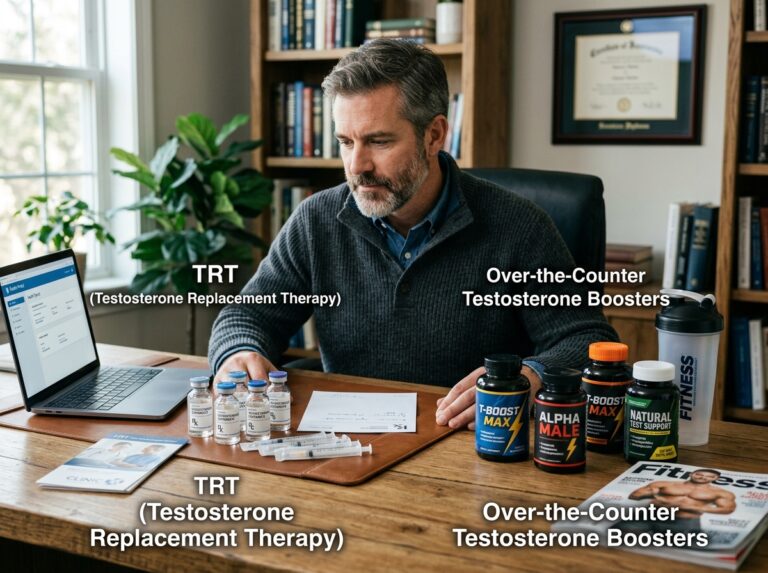
- Budget range: Determine what you can pay out-of-pocket if needed. Testosterone therapy in Indiana typically ranges from $150 to $400 per month without insurance, depending on formulation.
- Time availability: Decide if you prefer in-person visits or a telehealth provider. In-person visits average 45–60 minutes for a first consultation, while telehealth intake calls run 20–30 minutes.
Difficulty level: Beginner | Estimated time: 7–14 days from research to first appointment
Step 1: Identify Your Specific Men’s Health Need

Define your primary concern before searching, since Indiana offers specialized clinics for different conditions.
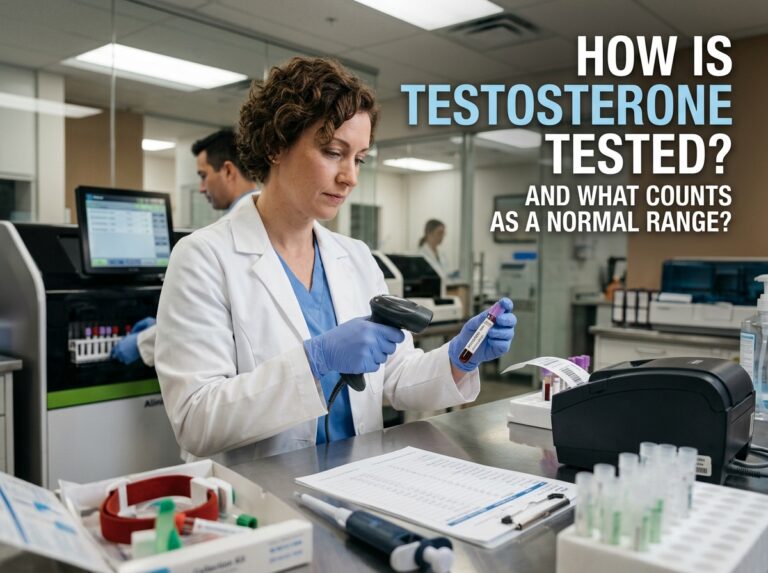
- Low testosterone symptoms? Search for a Low T Center or hormone therapy clinic. Common symptoms include fatigue, reduced libido, and muscle loss. Diagnosis typically requires two morning blood tests confirming levels below 300 ng/dL.
- Erectile dysfunction (ED)? Look for an erectile dysfunction clinic or ED specialist. Many Indiana ED clinics offer same-week evaluations and same-day oral medication prescriptions after a brief cardiovascular screening.
- Prostate concerns? Prioritize clinics offering prostate exams and prostate health monitoring, including PSA (prostate-specific antigen) blood testing and digital rectal exams for men over 50.
- Fertility issues? Seek a men’s fertility clinic or fertility specialist that offers semen analysis on-site, since off-site labs can delay results by 5–7 days.
- Weight-related health? Consider a weight loss clinic with men’s wellness programs that combine hormone testing with nutrition counseling.
- General checkup? A primary care physician or men’s wellness clinic works for preventive health screening, including blood pressure, cholesterol, and diabetes markers.
According to the American Urological Association (2024), men over 40 should schedule an annual men’s health checkup that includes prostate screening. Men with a family history of prostate cancer should start this screening at age 40 rather than the standard age of 50.
Step 2: Verify Board Certification and Clinic Accreditation
Confirm every physician holds proper board certification before booking any appointment.
How to Check Credentials
- Search the physician’s name on your state medical board website, such as the Indiana Professional Licensing Agency database, to confirm an active license with no disciplinary actions.
- Confirm board certification in urology, endocrinology, or family medicine through the American Board of Medical Specialties (ABMS) certification lookup tool.
- Check for Men’s Health Network affiliation or accreditation badges displayed on the clinic’s website or intake paperwork.
- Verify the clinic lists a licensed urologist or hormone specialist on staff, not just a nurse practitioner supervising remotely.
Board-certified physicians complete additional testing beyond a standard medical license, reducing misdiagnosis risk. Unlike unlicensed “wellness centers,” accredited clinics follow standardized treatment protocols set by specialty boards. This distinction matters most for testosterone therapy, since unregulated clinics may prescribe hormones without confirming baseline lab values, increasing the risk of side effects like elevated red blood cell counts.
Step 3: Confirm Insurance Coverage and Payment Options
Insurance coverage varies significantly between Indiana men’s health clinics, so verify before your first visit.
Payment Verification Sub-Steps
- Call the clinic directly and ask, “Do you accept [your insurance provider]?” Many Indiana clinics accept Anthem, UnitedHealthcare, and Medicaid, but hormone therapy coverage specifics vary by plan.
- Confirm Medicare acceptance if you’re 65 or older, since Medicare Part B typically covers medically necessary testosterone testing but not all treatment formulations.
- Ask if HSA (Health Savings Account) funds apply to testosterone therapy or hormone replacement therapy, as most qualify under IRS guidelines for medical expenses.
- Request a written cost estimate for cash-pay patients, including the price per visit, lab fees, and medication costs separately.
- Compare pricing across at least three clinics for cost comparison, since cash-pay testosterone therapy prices in Indiana can vary by more than $150 per month between providers.
A 2024 survey by the Men’s Health Network found affordable healthcare access remains the top barrier to men seeking treatment. Nearly one in three respondents delayed care specifically due to uncertainty about insurance coverage.
Step 4: Compare Indiana Clinic Locations
Location convenience affects appointment consistency, especially for ongoing testosterone therapy that requires monthly or biweekly injections.
| City | Clinic Density | Common Specialties |
|---|---|---|
| Indianapolis | High | Urology, hormone therapy, ED treatment |
| Fort Wayne | Moderate | Urology clinic, primary care for men |
| Evansville | Moderate | Men’s wellness, prostate health |
| Bloomington | Low-Moderate | Telehealth, preventive care |
| Carmel | Moderate-High | Low T Center, weight management |
Indianapolis offers the widest selection of board-certified urologists and hormone specialists, making it the best starting point for men seeking multiple opinions. Fort Wayne and Evansville have fewer specialty clinics but often shorter wait times, sometimes under one week for a first appointment. Bloomington residents frequently rely on telehealth given the smaller number of in-person specialty clinics near Indiana University’s service area. Carmel has seen rapid growth in Low T Centers over the past three years, partly due to its proximity to Indianapolis’s medical corridor.
If you live outside these hubs, ask whether the clinic offers a telehealth provider option for follow-up visits, reducing travel time for hormone level checks. Many clinics now allow in-person initial labs followed by video follow-ups every 60–90 days.
Step 5: Read Patient Reviews and Satisfaction Ratings
Patient reviews reveal real-world clinic experiences that credentials alone cannot show.
- Search “clinic name + reviews” on Google and Healthgrades, since these platforms verify patient identity more rigorously than unmoderated forums.
- Filter for reviews mentioning wait times and staff communication, two of the most cited complaints in men’s health clinic feedback nationally.
- Look for patterns in patient satisfaction ratings across 20+ reviews rather than relying on a handful of five-star or one-star outliers.
- Check for mentions of personalized treatment plan quality, such as whether the physician adjusted dosages based on follow-up labs rather than using a one-size-fits-all protocol.
Red flag: Clinics with fewer than 10 total reviews may lack sufficient patient history for reliable evaluation. Also watch for clinics with reviews that read as generic or repetitive, which can indicate incentivized or fake feedback.
Step 6: Ask These Questions Before Booking
Prepare these questions to evaluate any men’s health specialist during your initial call.
- “Are you board-certified, and in what specialty?”
- “What lab tests do you require before starting testosterone therapy?”
- “Do you offer telemedicine for men who cannot visit in person?”
- “What is your typical wait time for a mental health counselor referral, if needed?”
- “Can you provide a personalized treatment plan based on my lab results?”
- “How often will I need follow-up bloodwork once treatment starts?”
- “What happens if I experience side effects between appointments?”
Asking these questions during a five-minute intake call can eliminate poorly matched clinics before you invest time in a full consultation. For a deeper breakdown of vetting criteria, resources on choosing a men’s health clinic Indiana can help you compare accreditation standards side by side.
Step 7: Book Your Consultation
Complete your decision by scheduling either an in-person or telehealth appointment.
- Choose between in-clinic visit or telehealth men’s clinic option based on your schedule and comfort level discussing symptoms remotely.
- Confirm online appointment booking availability, since many Indiana clinics now offer scheduling portals that show open slots within 48 hours.
- Bring insurance card, ID, and prior medical records to first visit, along with a written list of current medications and supplements.
- Request lab work be scheduled same-day if possible, which can shave one to two weeks off your total diagnosis timeline.
Most first consultations conclude with either an immediate lab order or a same-visit treatment discussion if you arrive with recent bloodwork. Expect a follow-up call or portal message with results within 3–5 business days for standard panels.
Troubleshooting Common Issues
- If your insurance isn’t accepted → ask about payment plans or search for insurance-accepted clinics in your specific city.
- If wait times exceed 3 weeks → call a Low T Center or urgent care for men for faster initial screening.
- If you’re unsure about diagnosis → request a second opinion from a different urology specialist before committing to long-term hormone therapy.
- If travel is difficult → switch to a telehealth provider offering remote consultations statewide, with lab work completed at a local partner facility.
- If cost estimates seem high → ask about generic testosterone options or bundled preventive health screening packages that combine multiple tests at a discounted rate.
- If you feel rushed during your appointment → request a longer follow-up slot, since a thorough men’s health consultation typically requires at least 30 minutes.
Next Steps
After selecting your clinic, schedule your first men’s health checkup within 30 days to establish a baseline for future comparisons. Keep copies of all lab results, and set a reminder for your next prostate exam or hormone panel based on your physician’s recommendation. Revisit patient reviews annually, since clinic staff and accreditation status can change over time. Consider setting a recurring calendar reminder every 6–12 months to reassess whether your current clinic still meets your needs, particularly if you relocate within Indiana or your insurance plan changes.