What Is a Men’s Health Panel? Complete Guide to Lab Tests for Male Wellness
A men’s health panel is a comprehensive group of lab tests that measures hormone levels, metabolic function, and cardiovascular risk markers to evaluate overall male wellness. Unlike a single testosterone level test, this panel combines 10-15 individual lab tests, including Total Testosterone, Free Testosterone, PSA (Prostate-Specific Antigen), and a Complete Blood Count (CBC), to create a full picture of male hormone levels, organ function, and disease risk. Most panels are drawn from a single venous blood sample, with a urine sample added if urinalysis is included, and results are typically available within 24-48 hours. This gives men and their physicians a consolidated snapshot of reproductive, metabolic, and cardiovascular health rather than isolated data points.
Why a Men’s Health Lab Panel Matters
Men often ignore symptoms of hormone imbalance until they become severe. One widely cited study found that nearly 2 in 5 men over age 45 had low testosterone, and many men with symptoms are never tested. A men’s wellness blood test helps identify the causes of andropause symptoms such as fatigue, low libido, and muscle loss before they progress. This male health screening panel also catches metabolic and cardiovascular risk markers early, when lifestyle changes are most effective.
Consider a 42-year-old man presenting with fatigue, irritability, and declining gym performance. A testosterone-only test might return a “normal” Total Testosterone value, missing the fact that his SHBG is elevated and his Free Testosterone is low. Free Testosterone is the bioavailable hormone actually driving his symptoms. A full panel catches this nuance. Similarly, undiagnosed prediabetes (flagged by Hemoglobin A1C) or subclinical hypothyroidism (flagged by TSH) can produce similar fatigue symptoms, which is why clinicians favor a multi-marker approach over single-test diagnosis. Early detection through a men’s health panel can also save money: treating prediabetes or borderline hypertension early is generally far less expensive than managing full-blown diabetes or cardiovascular disease later.
Key Characteristics of a Men’s Health Panel
A standard male blood panel shares several defining traits that distinguish it from routine blood tests for men:
- Hormone-centric testing: Includes Total Testosterone, Free Testosterone, Estradiol, LH (Luteinizing Hormone), and FSH (Follicle Stimulating Hormone).
- Prostate health screening: PSA testing serves as a prostate cancer screening test, typically for men over age 40-50.
- Metabolic health panel integration: Comprehensive Metabolic Panel (CMP) and Hemoglobin A1C assess blood sugar and organ function.
- Cardiovascular risk markers: Lipid Panel and C-Reactive Protein (CRP) evaluate heart disease risk.
- Thyroid and adrenal function: TSH, Cortisol, and DHEA-S help rule out non-reproductive causes of fatigue.
These five characteristics work together, not in isolation. For example, a man with low Free Testosterone and elevated Cortisol may be experiencing stress-related hormonal suppression rather than primary testicular dysfunction, a distinction that can change the treatment approach entirely. This interconnected design is what separates a men’s health panel from a single-marker lab order.
How a Men’s Health Panel Works: Component Breakdown
A complete blood work for men panel typically includes the following tests:
1. Hormone Level Blood Draw
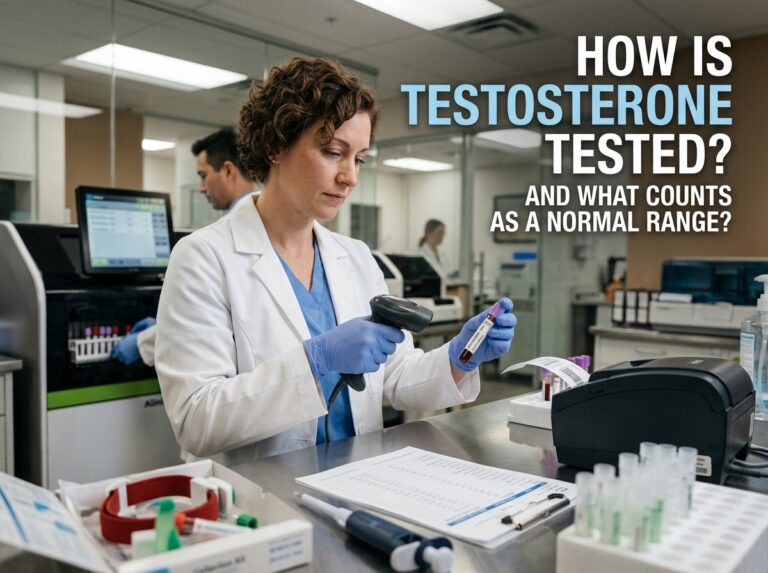
- Total Testosterone – measures all testosterone in the bloodstream, bound and unbound. Normal adult male reference ranges generally fall between 300-1,000 ng/dL, though ranges vary by lab.
- Free Testosterone – measures bioavailable testosterone not bound to proteins; important for diagnosing low testosterone. Typically reported in pg/mL and especially useful for symptomatic men with borderline Total Testosterone.
- SHBG (Sex Hormone Binding Globulin) – determines how much testosterone is bound versus free; elevated SHBG can mask low bioavailable testosterone even when Total Testosterone is normal.
- Estradiol – monitors estrogen levels, which affect libido and body composition in men; useful when evaluating gynecomastia or treatment response during testosterone replacement therapy.
- LH and FSH – pituitary hormones that regulate testosterone production and are essential in any male fertility panel; they help distinguish primary (testicular) from secondary (pituitary) hypogonadism.
- Prolactin – elevated levels can suppress testosterone and signal pituitary issues, including rare pituitary tumors.
- DHEA-S – an adrenal hormone precursor linked to energy and vitality, often tested alongside Cortisol.
2. Prostate Health Screening
PSA (Prostate-Specific Antigen) is a blood-based prostate cancer screening test that flags abnormal prostate changes. The American Cancer Society recommends that average-risk men discuss PSA screening with their doctor starting at age 50. That conversation should start at age 45 for higher-risk men, including African American men and men whose father or brother was diagnosed before age 65, and at age 40 for men with more than one close relative diagnosed at an early age. PSA values above 4.0 ng/mL typically prompt further evaluation, though age-adjusted ranges and PSA velocity (rate of change over time) also matter when interpreting results.
3. Metabolic and Organ Function Tests
- Comprehensive Metabolic Panel (CMP) – evaluates liver function, kidney function, electrolytes, and Blood Glucose across 14 individual measurements.
- Hemoglobin A1C – reflects 3-month average blood sugar, screening for prediabetes (5.7%-6.4%) and diabetes (6.5% or higher).
- Complete Blood Count (CBC) – checks red and white blood cells, detecting anemia or infection; also monitored during testosterone replacement therapy, since elevated red blood cell counts (polycythemia) are a known side effect.
- Urinalysis – uses a urine sample to screen kidney function and detect urinary tract abnormalities, including protein or blood that may indicate early kidney disease.
4. Cardiovascular Risk Markers
- Lipid Panel – measures LDL, HDL, and triglycerides to assess heart disease risk; optimal LDL is generally under 100 mg/dL for average-risk men.
- C-Reactive Protein (CRP) – an inflammation marker linked to cardiovascular events; high-sensitivity CRP (hs-CRP) above 3.0 mg/L signals elevated risk independent of cholesterol levels.
5. Thyroid and Stress Hormone Testing
- Thyroid Stimulating Hormone (TSH) – screens for hypothyroidism, which mimics low-T symptoms like fatigue and weight gain; the normal range is typically about 0.4-4.0 mIU/L, though it varies by lab.
- Cortisol – evaluates adrenal stress response and energy regulation; morning draws are standard, since cortisol follows a daily rhythm.
6. Additional Wellness Markers
Vitamin D deficiency has been linked to low testosterone and fatigue, making it a common inclusion in many men’s health panels. Some expanded panels also add Magnesium, Ferritin, or Homocysteine for men with specific symptom patterns, such as muscle cramps, unexplained anemia, or a family history of early cardiovascular disease.
Common Misconceptions About Men’s Health Panels
Myth: A Men’s Health Panel Is Just a Testosterone Test
Reality: A full male hormone panel includes 10+ markers beyond testosterone, covering thyroid, adrenal, metabolic, and cardiovascular health. This is the key difference between a men’s health panel and a testosterone-only test. Relying on testosterone alone can miss thyroid disease, prediabetes, or inflammatory conditions that produce similar symptoms.
Myth: Only Men Over 50 Need This Testing
Reality: Low testosterone symptoms can appear as early as the 30s, often linked to obesity, chronic stress, or sleep apnea rather than age alone. Men in their 30s and 40s with symptoms should talk to their doctor about testing rather than waiting until 50, and an earlier baseline gives them a personal reference point to compare against later in life.
Myth: Fasting Isn’t Required
Reality: Fasting for 8-12 hours is often recommended, especially for accurate Blood Glucose and Triglyceride readings. Water is allowed, but coffee, food, and sugary drinks can skew results. Knowing how to prepare for a men’s health lab panel, including scheduling an early-morning appointment after an overnight fast, improves test accuracy. Always follow the specific instructions from your provider or lab.
Myth: One Test Confirms Testosterone Replacement Therapy Is Needed
Reality: Testosterone levels fluctuate throughout the day, peaking in the early morning and declining by afternoon. Endocrine Society guidelines call for two morning blood draws, taken on separate days, before diagnosing low T or starting testosterone replacement therapy.
Men’s Health Panel vs. Related Testing Options
Men’s Health Panel vs. Testosterone-Only Test
A testosterone-only test checks a single marker, usually Total Testosterone, and is typically the lower-cost option. A men’s health panel evaluates Total Testosterone alongside Free Testosterone, SHBG, thyroid, metabolic, and prostate markers, providing context a single value cannot. Men with symptoms but “normal” Total Testosterone often discover the underlying cause only through the broader panel.
Men’s Health Panel vs. Standard Annual Physical Exam
An annual physical exam for men typically includes a basic CBC and CMP, a blood pressure check, and a general physical assessment. A men’s health panel adds hormone tests, PSA, and cardiovascular risk markers not always included in routine checkups, making it a more targeted tool for evaluating andropause, infertility, or unexplained fatigue.
Men’s Health Panel vs. Executive Physical for Men
An executive physical for men often bundles diagnostics such as an EKG, stress testing, or imaging with lab work and is typically a much larger investment. A standalone men’s health panel focuses specifically on andrology lab tests and hormone imbalance in men, making it a faster, more affordable option for men who want targeted hormone and metabolic answers without the full executive workup.
Practical Applications: Who Needs This Testing and When
Signs You Need a Men’s Health Blood Panel
- Persistent fatigue or low energy despite adequate sleep
- Reduced libido or erectile difficulties
- Unexplained weight gain or muscle loss
- Mood changes, irritability, or brain fog
- Family history of prostate or cardiovascular disease
- Difficulty conceiving, which may warrant LH, FSH, and testosterone evaluation as part of a male fertility panel
How Often Should Men Get a Hormone Panel Test?
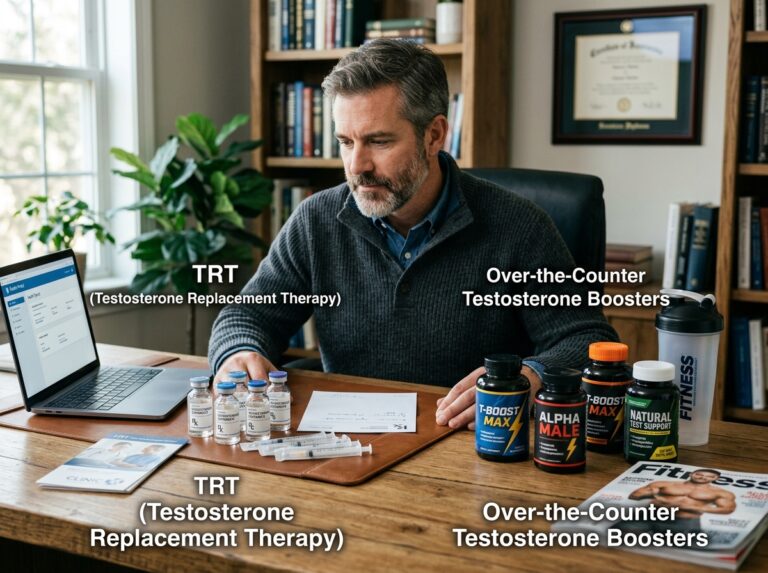
Testing frequency depends on age, symptoms, and risk factors, so it’s best set with your doctor. Men under 40 without symptoms may only need periodic testing every few years, while men over 40 or those with symptoms often benefit from annual testing as part of a blood panel for men over 40 routine. Men on testosterone replacement therapy typically need monitoring 3-6 months after starting treatment and then about once a year, tracking Total Testosterone, Hematocrit, and Estradiol levels to adjust dosing safely.
What Does a Men’s Health Panel Cost?
The cost of a men’s health panel depends on the number of markers included, whether it’s ordered for diagnostic reasons or general wellness, and your insurance coverage. Panels that add extras like Vitamin D, Ferritin, or expanded thyroid markers (Free T3, Free T4) generally cost more than basic hormone panels. Many insurance plans cover portions of the panel when it’s ordered to evaluate symptoms such as fatigue or low libido, so men should ask their physician or insurer about coverage before the blood draw. For exact pricing, contact the clinic directly or schedule a consultation.
Preparing for Your Test
To ensure accurate results, men should fast for 8-12 hours before the draw, schedule an early-morning appointment to capture peak testosterone and cortisol levels, avoid intense exercise for 24 hours prior, and disclose any supplements or medications that could affect hormone readings, such as biotin or anabolic steroids.
Finding Reliable Testing
Men searching for a trusted men’s health lab panel in Indianapolis should look for clinics offering same-day draws, physician review of results, and follow-up consultation for abnormal findings, especially for Total Testosterone, PSA, or Hemoglobin A1C values outside normal ranges. A good provider will also explain next steps clearly, whether that means lifestyle changes, repeat testing, or referral to a urologist or endocrinologist.
A men’s health panel is one of the most efficient ways to evaluate male reproductive health, metabolic function, and cardiovascular risk in a single visit. Combining hormone testing with organ function and prostate screening gives men and their physicians the data needed for informed, proactive care.
Frequently Asked Questions
What is included in a men’s health panel?
A men’s health panel typically includes Total and Free Testosterone, SHBG, Estradiol, LH, FSH, PSA, a CBC, a CMP, Hemoglobin A1C, a Lipid Panel, and TSH. Many panels also add Vitamin D, Cortisol, DHEA-S, or CRP.
Do I need to fast before a men’s health panel?
Fasting for 8-12 hours is usually recommended for accurate Blood Glucose and Triglyceride results. Water is fine, but avoid food, coffee, and sugary drinks until after your draw.
How long does it take to get men’s health panel results?
Most results are available within 24-48 hours. Some specialized markers may take a few extra days depending on the lab.
What time of day should I get my testosterone tested?
Early morning is best, since testosterone peaks in the morning and declines throughout the day. Most providers recommend a draw before 10 a.m.
Does insurance cover a men’s health panel?
Insurance often covers part of the panel when it’s ordered to evaluate symptoms such as fatigue or low libido. Coverage for general wellness testing varies, so check with your insurer before your appointment.
What happens if my results are abnormal?
Your provider will review the results with you and explain next steps. This may include repeat testing, lifestyle changes, treatment, or a referral to a urologist or endocrinologist.